
By Peter Bowden
LaGrange, Georgia, is emerging as one of the Southeast’s more quietly effective tourism success stories, blending heritage, outdoor recreation, family attractions, entertainment and cultural experiences into a visitor economy that continues to expand in scale and sophistication.
That growth reflects a broader shift happening across the tourism industry. Today, destinations succeed not simply by attracting visitors, but by encouraging them to stay longer, spend more and engage more deeply with the local experience. Increasingly, travelers are looking for destinations that feel authentic, manageable and experience-rich rather than overwhelming.
For Kathryn W. Tilley, executive director of Visit LaGrange, the Convention and Visitors Bureau, the transformation has been remarkable. “It has gone from being practically non-existent to becoming a major part of our local economy,” Tilley said when describing tourism’s growth over the last decade.
That evolution is backed by measurable growth. Visitor spending in Troup County increased from approximately $199 million in 2019 to more than $284 million in 2023, while state and local tax revenues tied to tourism climbed from $6.2 million to $25.8 million during the same period. Hotel occupancy also rose significantly, from 58% to 67%.
A Tourism Economy Built on Multiple Experiences
One of LaGrange’s greatest strengths is that it does not depend on a single attraction or visitor segment. Instead, the city benefits from a diverse tourism portfolio that includes family travel, cultural tourism, outdoor recreation, entertainment, heritage experiences and a growing creative economy.
Family travel remains one of the most significant economic drivers, largely driven by Great Wolf Lodge. The resort’s 500-room hotel and expansive indoor water park have dramatically increased overnight visitation and visitor spending throughout the community.
“It has greatly impacted overnight stays, with its 500-room hotel, as well as visitor spending in the community,” Tilley said. “Hotel/motel tax revenue has nearly doubled in five years, and much of that is due to Great Wolf Lodge.”
But LaGrange’s tourism identity extends well beyond family entertainment. Visitors can explore the nationally recognized Hills & Dales Estate, experience the immersive Biblical History Center, enjoy performances at Sweetland Amphitheater, discover regional creativity at the LaGrange Art Museum, or spend time on West Point Lake. Downtown LaGrange itself has become part of the attraction, offering a walkable mix of restaurants, breweries, shops, public spaces and historic architecture.
Tilley believes the diversity of those experiences is what often surprises visitors most. “I think they are surprised by the quality and variety of attractions, while LaGrange still maintains its unique, authentic identity,” she said. That balance between authenticity and variety is increasingly valuable in today’s travel environment because modern travelers are often seeking emotional connection and experience as much as traditional sightseeing.
The Creative Economy as an Economic Driver
Like many successful destinations, LaGrange’s visitor economy is becoming increasingly tied not only to traditional tourism assets, but also to the strength of its creative economy. Arts, entertainment, music, local culture, festivals, restaurants, public gathering spaces and creative entrepreneurship are all helping shape how visitors experience the city.
Sweetland Amphitheater has become one of LaGrange’s most important entertainment anchors, drawing regional audiences for concerts, festivals and live performances that generate spending at restaurants, hotels, retail shops and local businesses throughout the community. Event-driven tourism remains one of the fastest-growing sectors in the tourism industry because live entertainment creates urgency and motivates overnight visitation.
Downtown LaGrange also reflects the growing importance of placemaking within the visitor economy. Walkable streets, breweries, local dining, independent businesses, public art and gathering spaces create the kind of authentic atmosphere travelers increasingly seek. While these elements may not function individually as major attractions, together they help define the emotional identity of the destination, which often becomes the deciding factor in whether visitors extend their stay or return later.
That authenticity matters economically because travelers increasingly prioritize experiential travel over transactional travel. Communities that successfully combine tourism with arts, culture, entertainment and local storytelling are often better positioned to create repeat visitation and broader economic impact.
LaGrange’s cultural institutions further strengthen that ecosystem. The LaGrange Art Museum, heritage attractions, festivals, live performances and downtown programming all contribute to a layered cultural experience that supports both tourism and quality of life for residents. Increasingly, the same creative assets that attract visitors also help communities attract entrepreneurs, investment, remote workers and new residents seeking vibrant places to live and work.
The city’s growing events strategy reinforces that connection between tourism and the creative economy. Festivals, concerts, sporting events and cultural programming provide recurring reasons to visit while activating public spaces throughout the year. Destinations that maintain this type of year-round energy often develop stronger, more resilient visitor economies than communities that rely solely on seasonal tourism.
Positioned for Modern Travel Trends
LaGrange aligns naturally with several of the travel trends shaping tourism today, particularly drive-market travel, long weekends, walkable destinations and experience-based itineraries. Located directly along Interstate 85 and within easy reach of Atlanta, Auburn-Opelika and much of the Southeast, LaGrange benefits from strong regional accessibility. “Our proximity to Atlanta and I-85 is huge because it is easy to get here,” Tilley said. “LaGrange also serves as a gateway to Auburn, Alabama, and we have the Kia plant nearby.”
Traffic counts along the Georgia-Alabama corridor illustrate the opportunity. According to Tilley, between 40,000 and 48,000 vehicles pass LaGrange exits daily. While many travelers currently use LaGrange primarily as a pass-through destination, the CVB sees significant opportunity in converting more of that traffic into overnight visitation. At the same time, changing traveler preferences are working in LaGrange’s favor.
“Right now, the travel trends benefiting LaGrange the most are budget-friendly travel, long weekends, family weekends and walkable vacations,” Tilley said. “Visitors can stay at a downtown hotel and walk to everything downtown.”
The city is also embracing what Tilley describes as “destination dupe marketing,” positioning LaGrange experiences as affordable, accessible alternatives to larger or more expensive destinations. “People looking to see an Italian villa can come experience Hills & Dales instead of traveling to Italy,” she said. “Similarly, with the Biblical History Center, people looking for a historical experience can visit instead of going to the Vatican. They can also come to Great Wolf Lodge instead of Disney.”
Looking Ahead: Sports Tourism, Downtown Growth and New Development
Looking toward the future, Tilley sees several major opportunities that could further expand LaGrange’s tourism and creative economy. “First, we need new hotels,” she said. “We have more visitors than we can accommodate.”
The city is also working through a new 20-year downtown master plan designed to support future growth and improve the visitor experience. “We have great bones in our downtown, but it needs to grow,” Tilley said.
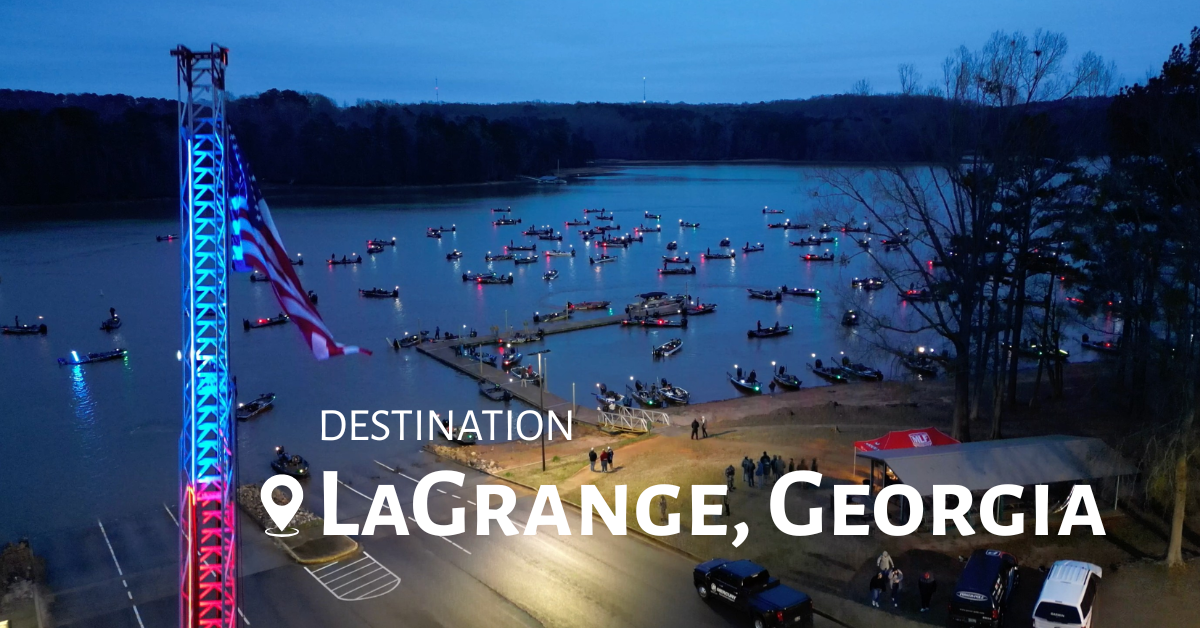
Sports tourism represents another significant opportunity. LaGrange is actively exploring expansion in fishing tournaments, lake-based recreation and athletic events. Tilley also highlighted what may become one of the city’s most transformative tourism projects.
“By far, the biggest opportunity on the horizon is the new $50 million LaGrange Cricket Grounds,” she said. “That will bring a whole new segment of visitors, including hundreds of thousands of players and spectators over the course of several years.” Tilley also believes a regional multi-sport athletic complex could become another major demand driver. “It would be a new multi-sport athletic facility and 20 new tennis courts,” she said. “Between Atlanta and Montgomery, there is no such facility.”
For LaGrange, the future may ultimately depend less on a single headline attraction and more on how effectively the community continues connecting tourism, entertainment, arts, sports, downtown development and authentic local culture into a cohesive visitor experience. The city already possesses many of the essential ingredients: strong accessibility, authentic character, family attractions, cultural depth, outdoor recreation, entertainment infrastructure and a growing downtown experience economy.
What makes LaGrange increasingly important from both tourism and economic development perspectives is not simply that it has attractions, but that those attractions together are creating a tourism and creative-economy ecosystem capable of generating sustained economic value for the community well into the future.