By: Chris Peay
Co-founder and CMO of Cxmmunity Media Co.
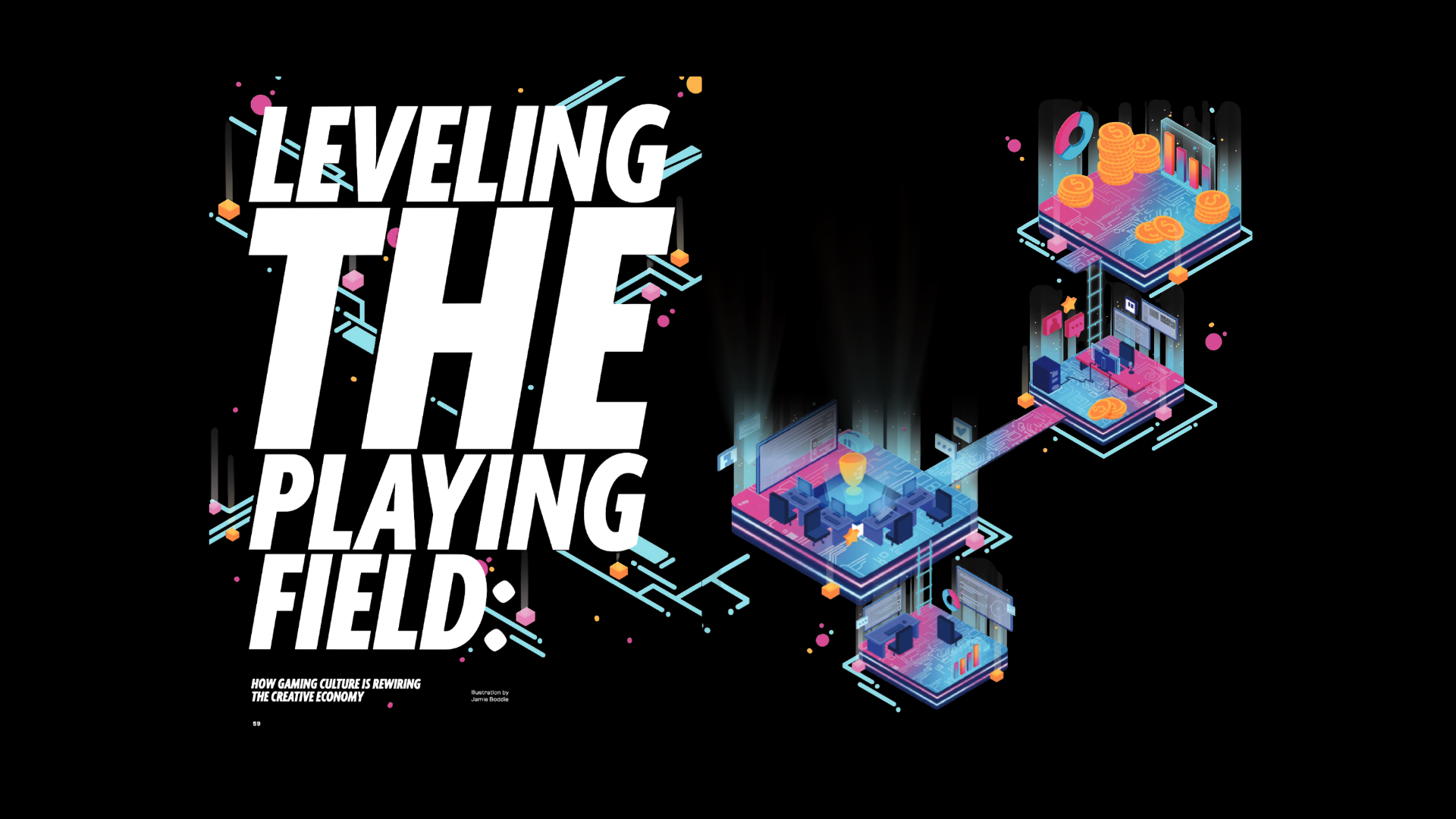
In a world where traditional media once ruled, a new wave of digital creators is flipping the script, and it all started with video game play.
Gaming culture isn’t just about entertainment; it’s a launchpad for a brand-new kind of economy. At Cxmmunity Media, we’re watching the shift firsthand and building the arena where it happens, reimagining what media looks like for Gen Z by centering creators as the new celebrities.
For decades, the media was a one-way street. A handful of TV networks, radio stations and record labels decided whose story was worth telling. If you weren’t signed, cast or greenlit, your story never reached the masses. But gaming and livestreaming flipped that script. Now, if you’ve got Wi-Fi, a camera and a perspective, you can build a community from your bedroom that, if done right, can rival traditional TV networks in reach.
What is livestreaming?
Think of livestreaming as the modern-day talk show, concert and meet-up all rolled into one. The “channel” is the creator, the “studio” might be their bedroom and the audience can talk back in real time. Unlike traditional television, fans don’t just watch, they interact, send donations, vote on what happens next, and most of all feel like an actual part of the moment.
That’s why a creator such as Kai Cenat can have hundreds of thousands of people tuned in at once, because the energy is alive, unfiltered and happening right now. This isn’t prerecorded content for a passive audience; every stream is like a cultural event that unfolds with and because of the viewers.
Hollywood is paying attention
This shift is massive because influence is no longer tied to budgets or corporate approval; it’s tied to connection. Hollywood has noticed, which is why superstar household names like Kevin Hart and John Cena have hopped on Kai’s streams live from his bedroom. They understand that these creators’ platforms hold more cultural pull than most late-night talk shows.
For the first time, Kai Cenat was able to livestream his experience at “Music’s Biggest Night” at the GRAMMYs red carpet and pulled bigger numbers than the Associated Press’ coverage. That’s a seismic shift, a single streamer outdrawing one of the oldest and most established media organizations in the world. He has also transcended streaming by getting his own products in Target stores nationwide and watching them sell out in minutes.
To understand the weight of this movement, you have to look at the numbers. The global gaming industry was valued at more than $184 billion in 2023, more than the film and music industries combined. Streaming sits at the heart of that growth, turning gaming from a private pastime into a global spectator sport.
Top streamers now earn anywhere from $500,000 to $2 million a month, combining platform payouts, brand deals, merch sales and fan subscriptions. And it’s not just the megastars. Mid-tier creators with dedicated audiences can earn six figures a year while retaining full creative control.
From controllers to culture-shapers
This has opened up a world where streamers aren’t just “gamers.” They’re showrunners, marketers, comedians and community leaders. They pull off what legacy media executives spend millions trying to engineer: viral moments that feel organic.
A Kai Cenat stream can rack up more impressions in a night than a brand’s ad campaign does in months because people trust personalities more than polished corporate marketing. That authenticity is the currency of this new economy.
Streaming meets the film industry
This cultural crossover is now rewriting how films are marketed and, in many cases, cast. Studios are tapping into streamers to drive awareness, sending them early screenings, exclusive behind-the-scenes footage, merch drops to share live with their audiences and even sending the star actors to join the streamers for a custom live moment to curate virality.
In some cases, creators are being placed in the films themselves. Fortnite icon Ninja voiced a character in “Hotel Transylvania 4”. Pokimane and other streamers made cameos in “Free Guy,” a Ryan Reynolds blockbuster built around gaming culture. This isn’t influencer marketing as a side hustle; it’s a full integration of streaming culture into Hollywood storytelling.
A direct line to the next generation
For brands, this is the most direct pipeline to Gen Z and millennial audiences who are increasingly unreachable through traditional TV, film or print. A streamer can hop on Twitch, talk about a new movie trailer and have it trending in hours. The feedback loop is instant.
For creators, it’s proof that you can build a sustainable business entirely from your personality and content. Your face, or even your avatar, becomes the brand. Your community becomes the distribution channel.
After being dismissed for years as a “niche hobby,” gaming and streaming now sit in the cultural front row. Concerts, comedy specials and even award shows are planned with livestream moments in mind. NBA and NFL hopefuls host their own draft parties on livestreaming platforms like Twitch. Music festivals like Rolling Loud collaborate with gaming brands to reach audiences that traditional billboards can’t touch.
At Cxmmunity Media, we’re not just covering this shift — we’re helping creators, especially Black and underrepresented youth, own a piece of it. We’re building platforms where their stories, skills and personalities are seen as marketable from day one.
The future is creator-controlled
The future of media isn’t just about who’s on the screen; it’s about who controls the community around it. In the past, media companies built the audience first and handed the mic to a select few. Now, the mic starts with the creator and the audience follows them wherever they go: platform to platform, project to project.
The next wave of media moguls won’t all come from film schools or TV studios. Many will come from Twitch streams, Discord servers and YouTube channels and they’ll carry communities with them the way musicians used to carry fan clubs.
This is the creator economy in motion. It’s diverse, direct and disrupting the old playbook. And for those of us building in it, the mission is clear: not just to survive in this new landscape but to shape it.
This article appeared in the 2026 edition of the Creative Economy Journal. See more from the Journal here.