By Delaney Tarr
About a year ago, Georgia Entertainment CEO and Founder Randy Davidson and Discover DeKalb Executive Director and CEO James Tsismanakis sat down to answer a question: “What can we do about sports and its impact on the creative industries?”
The answer was simple.
“We came up with sports, entertainment, art and the money that gets communities behind it, which is tourism and economic development,” Davidson said.
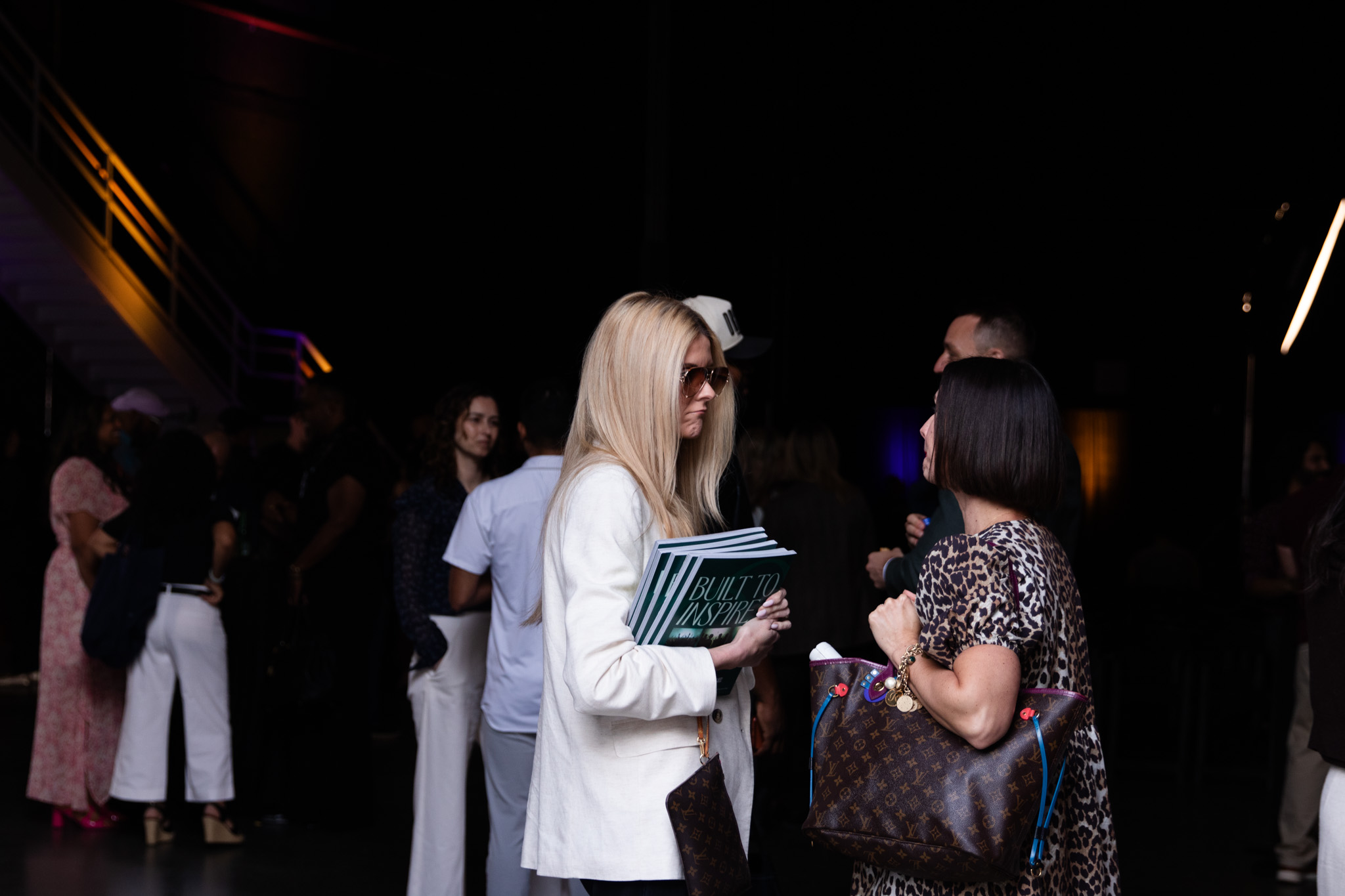
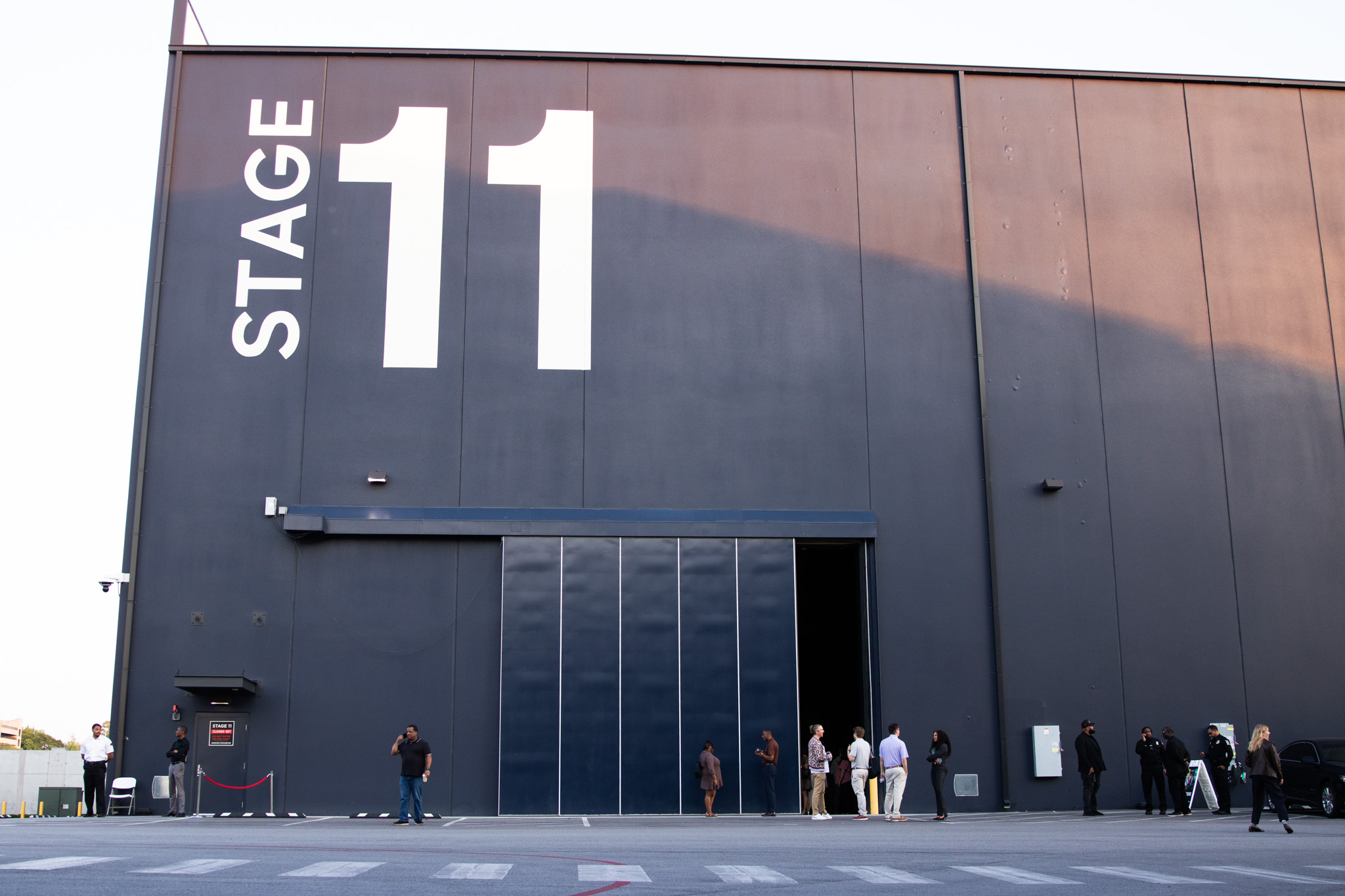
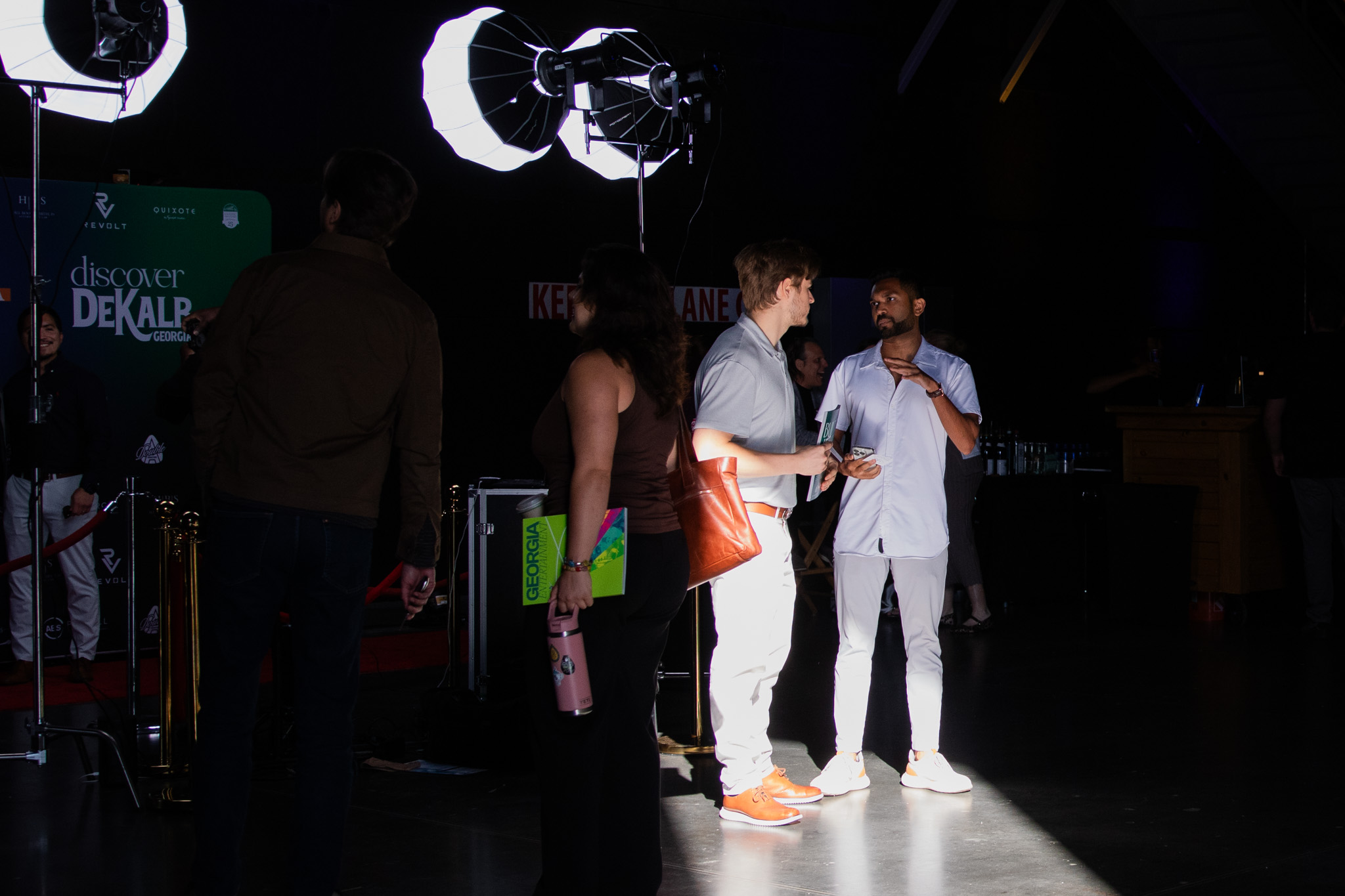
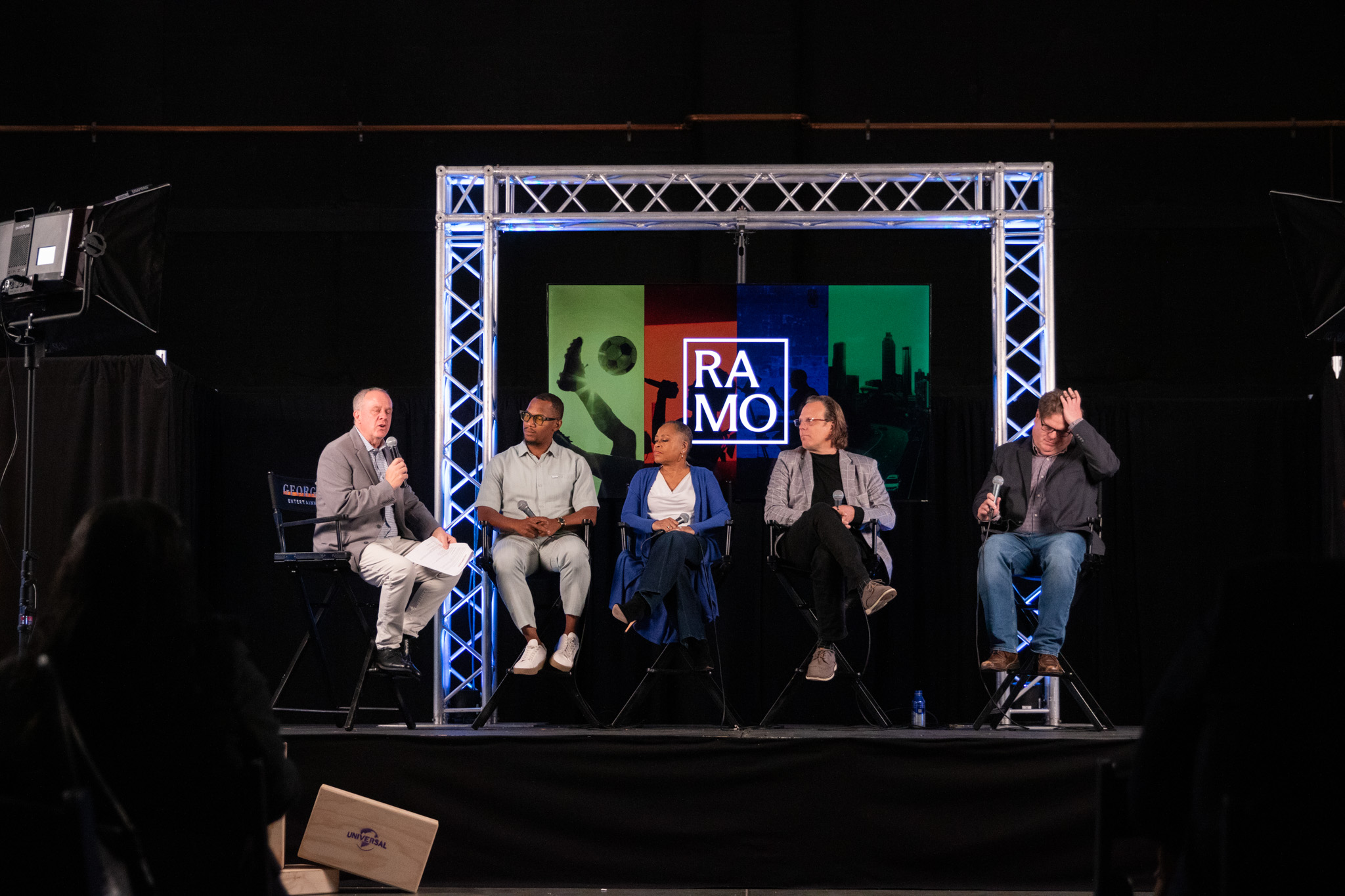
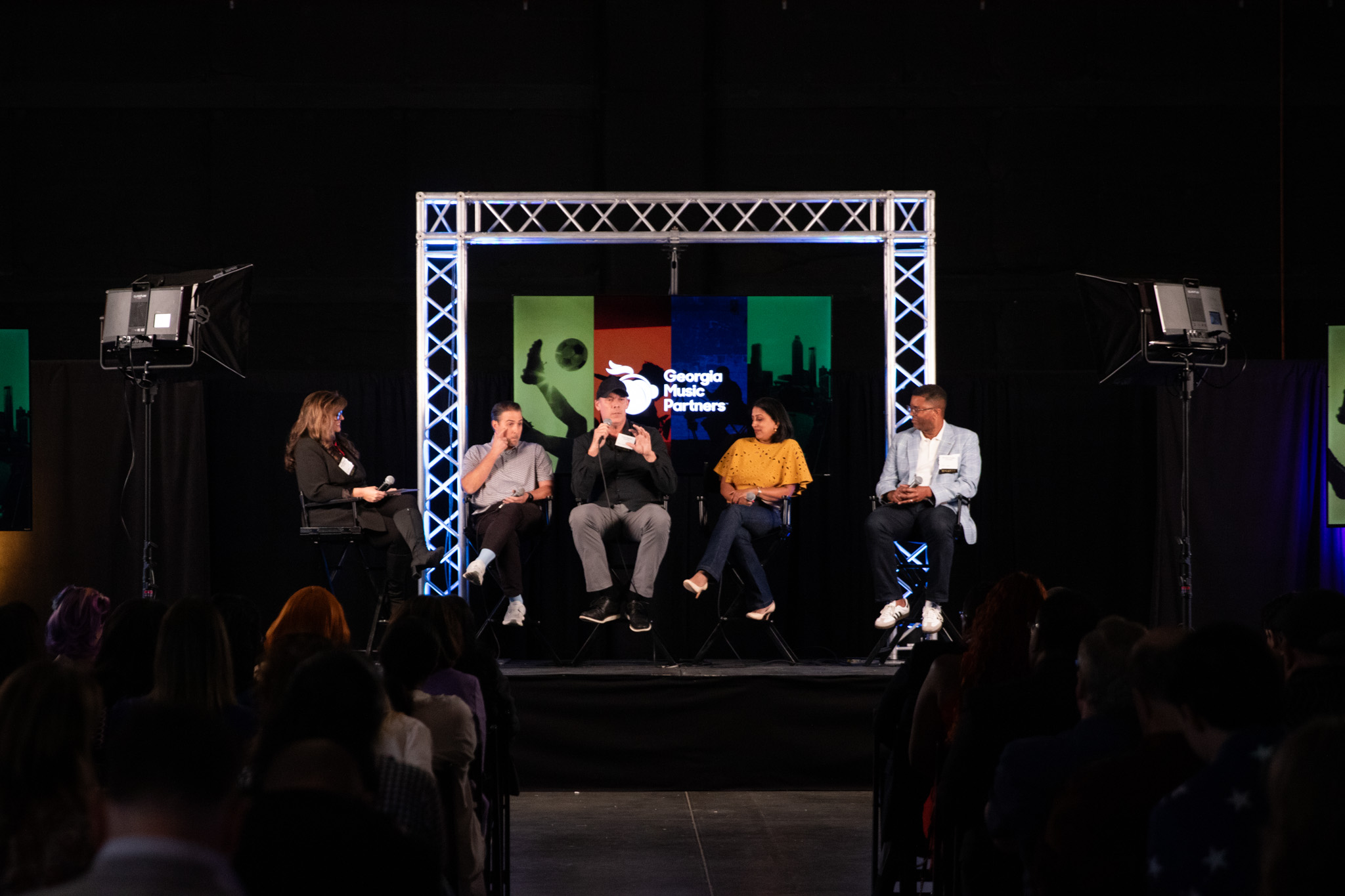
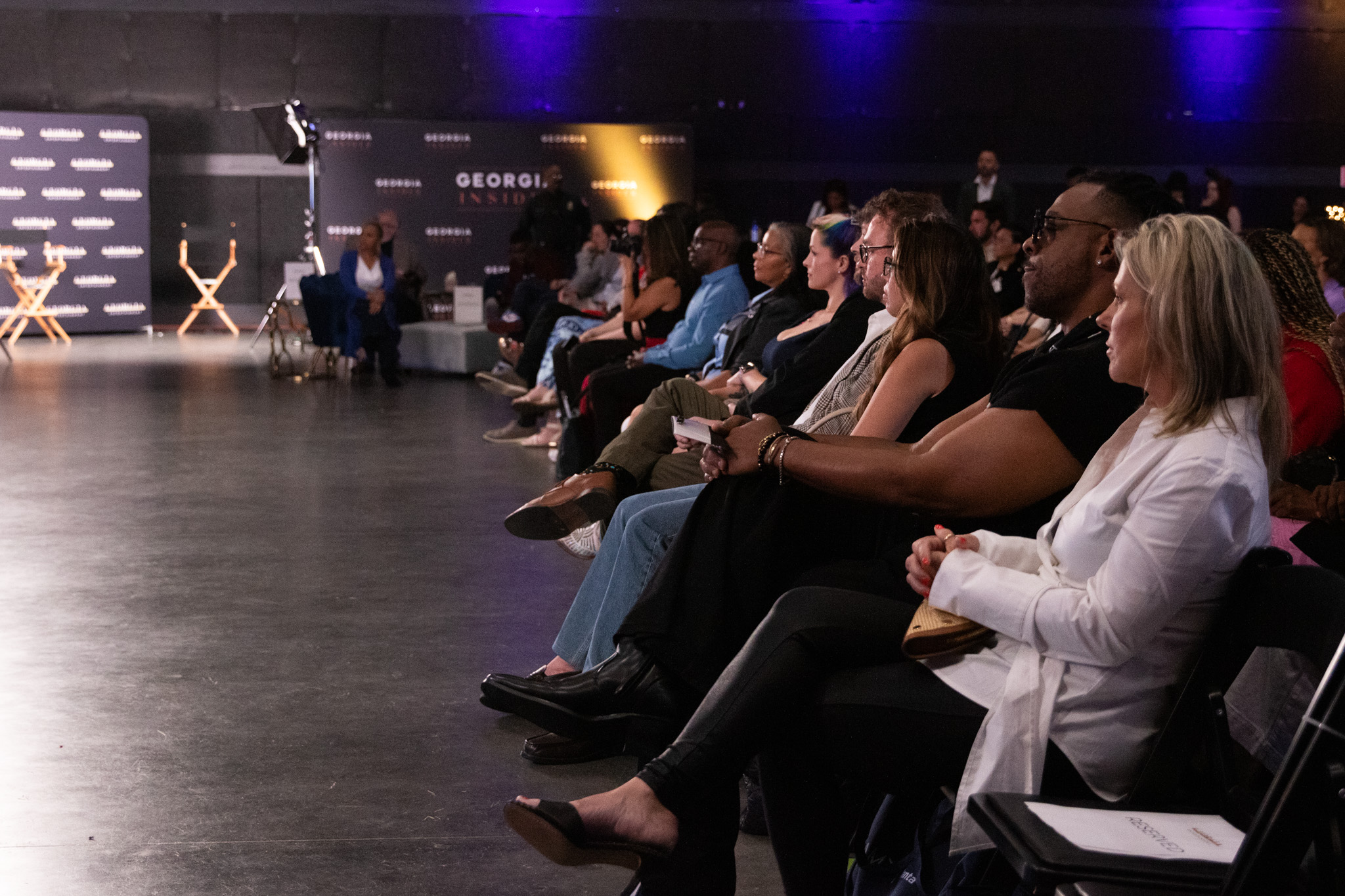
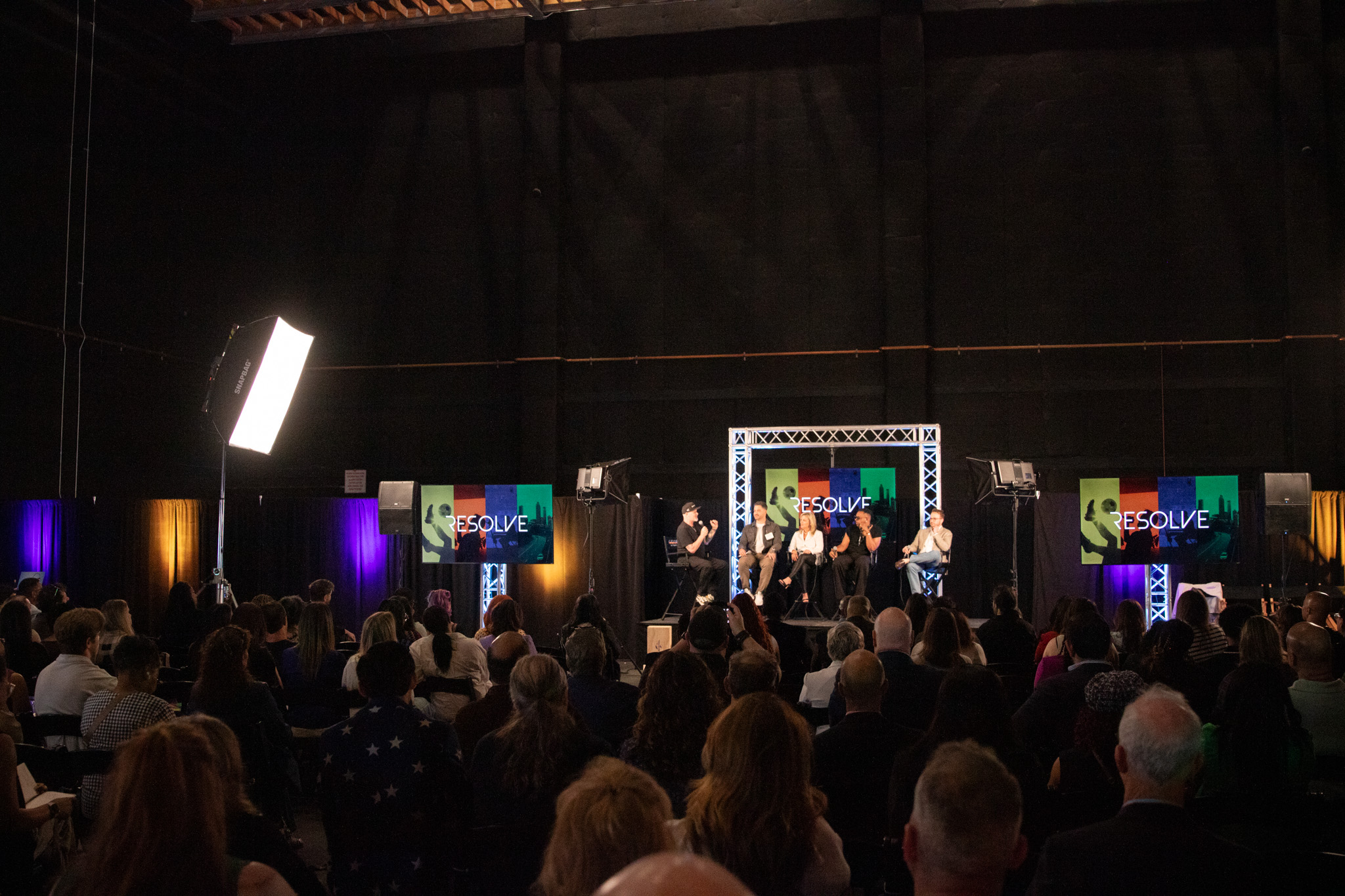
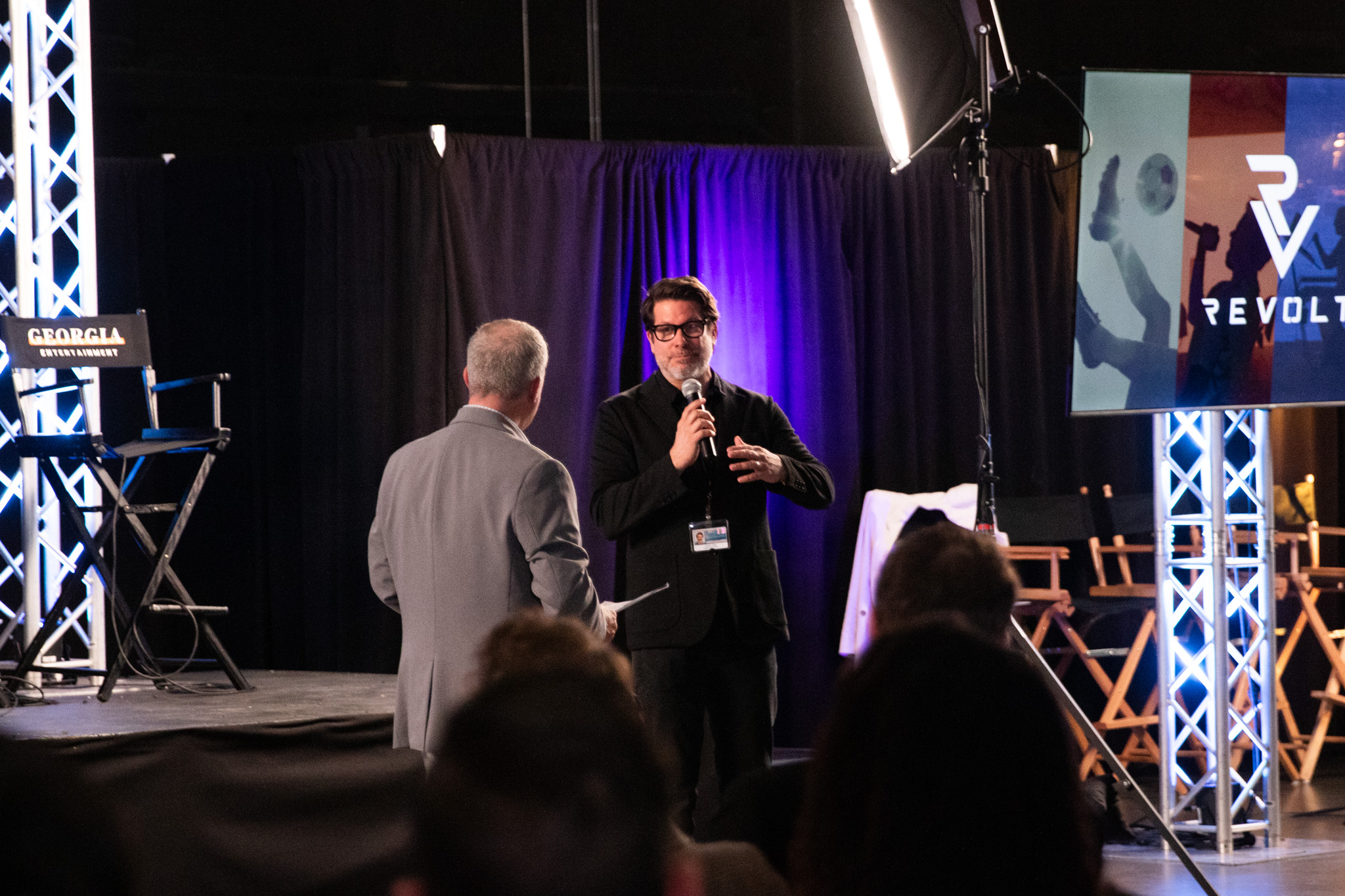
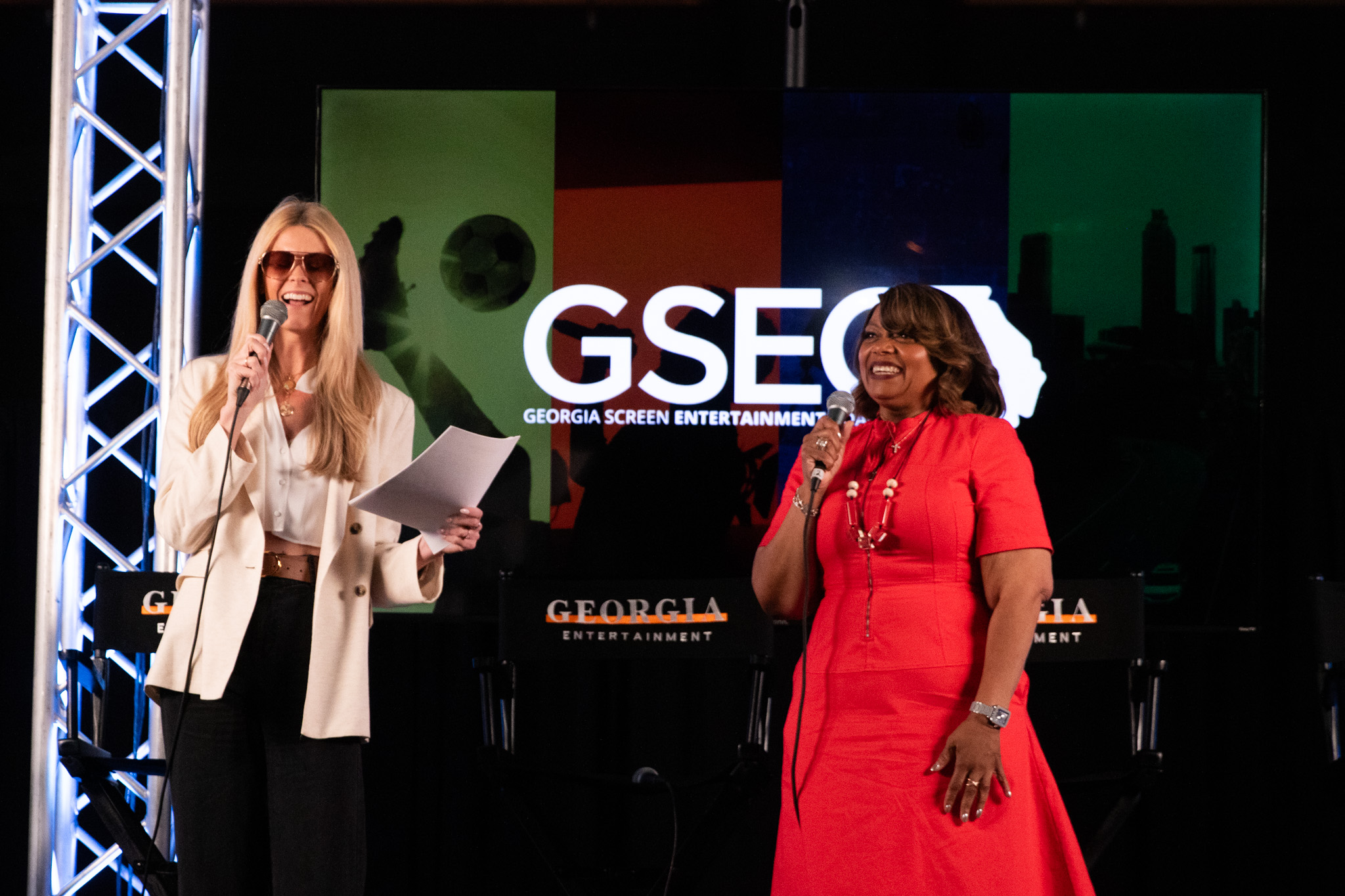
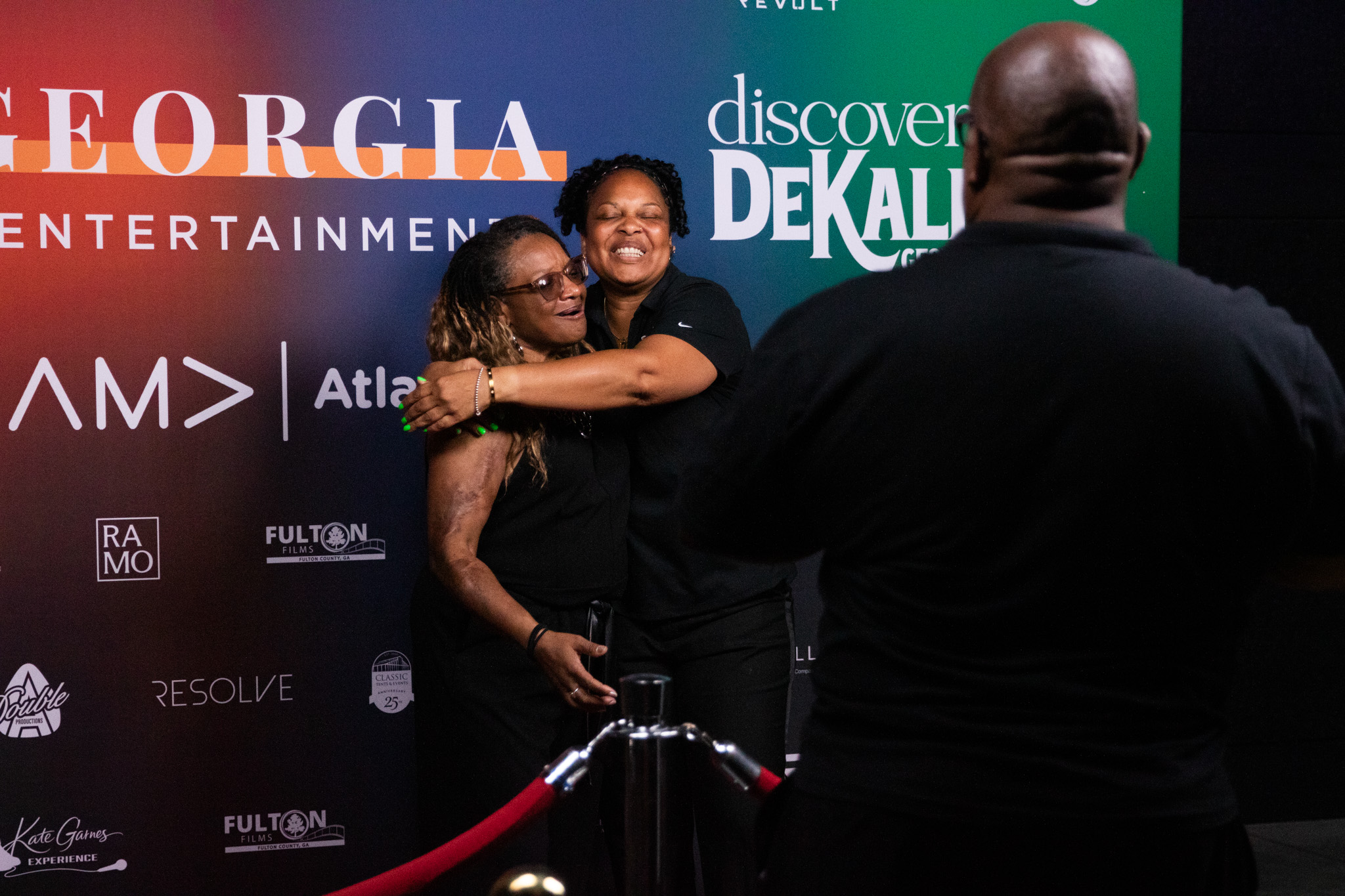
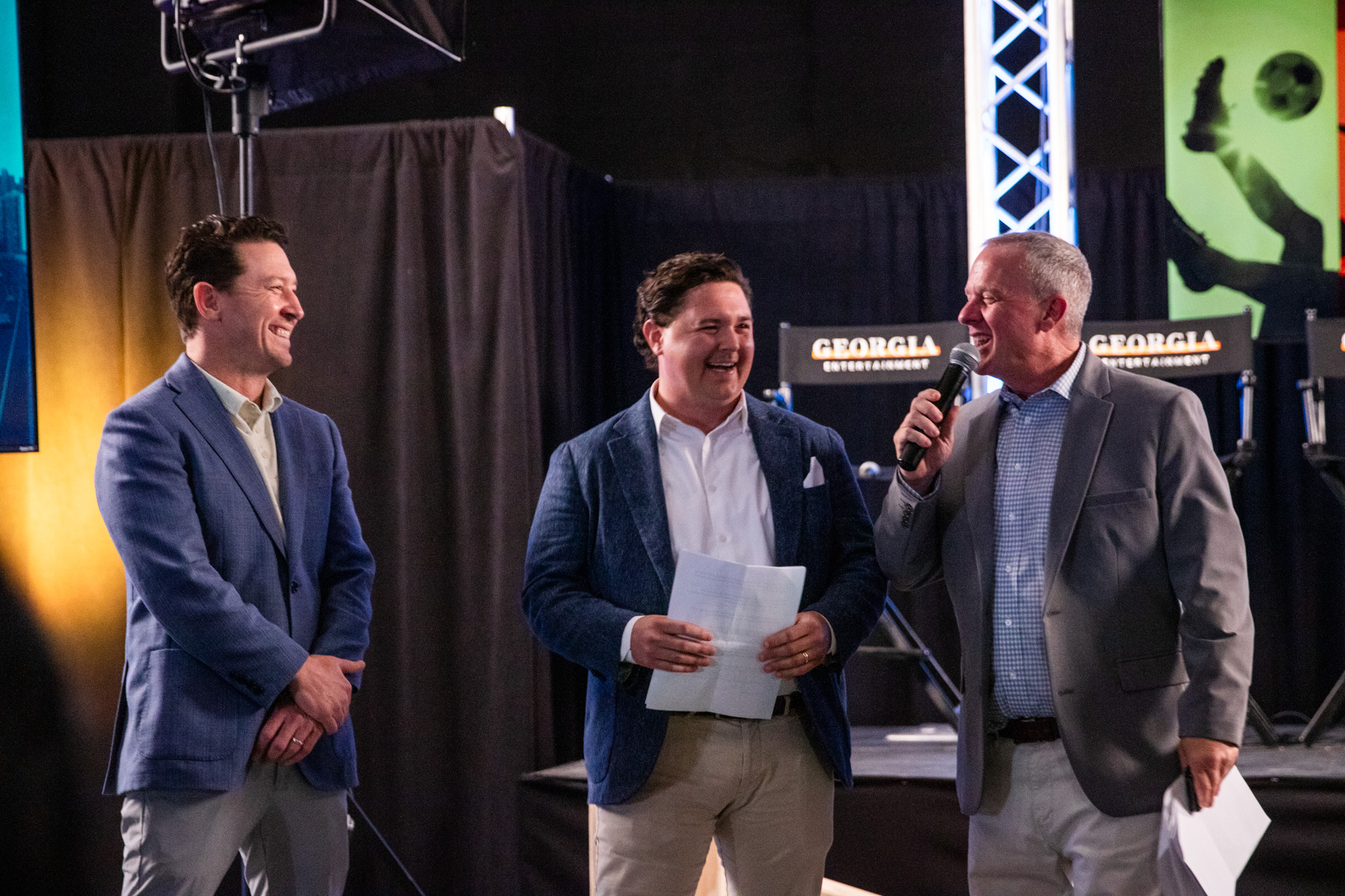
It became the foundation of the inaugural SEAT event at Assembly Studios on April 22, a gathering of hundreds of leaders from film, entertainment, sports, arts and tourism to discuss the way each industry can collide and combine to shape Georgia’s creative economy.
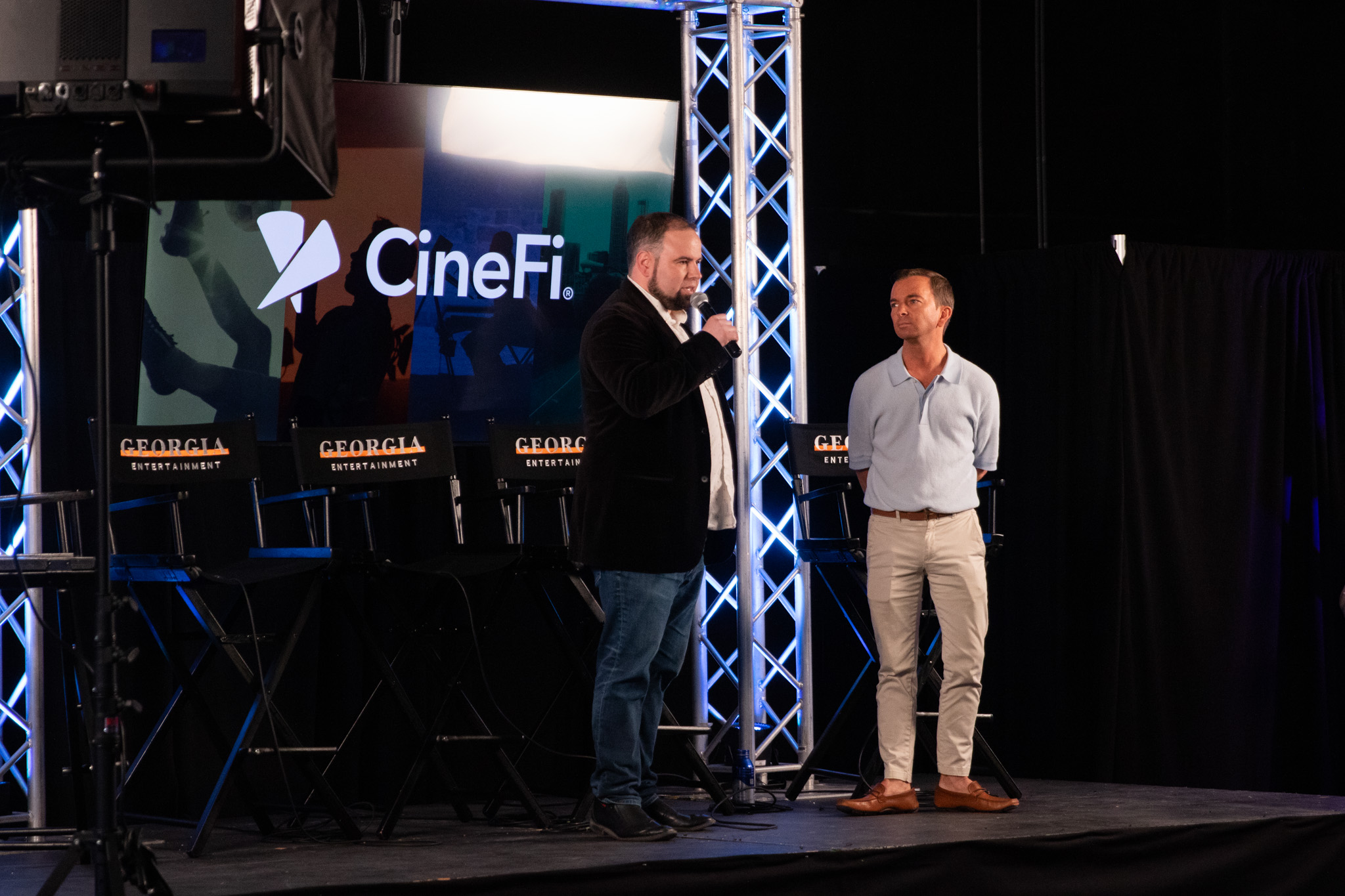
Georgia Entertainment and AMA Atlanta partnered for the launch of SEAT, which was presented by Discover DeKalb and Universal Production Services. The evening of panel discussion and networking also served as the opening VIP event of the 50th annual Atlanta Film Festival. CineFi, Ramo Law, Quixote, Resolve Media and ABS Payroll also served as event partners.
“This has literally been my dream, and I’m watching it come true,” AMA President Paul Carpenter said.
Historically, each of the industries represented at SEAT have been relatively separate, even as they impact each other. Davidson pointed out that sports drive tourism, brands use cinematic storytelling to connect with audiences and film production shapes global perception.
“SEAT reflects what is happening right now as these sectors come together,” Davidson said.
Carpenter moderated one of the three SEAT sessions featuring industry leaders: “What’s Working Creatively,” focused on the state’s ecosystem of creatives, “Lights, Camera, ROI: How Commercial and Film Production Infrastructure Turns Culture into Brand Value” focused on some of the most lucrative content streams and “When the World Comes to Georgia: Sports as a Cultural Economy” focused on the sports economy in Georgia.
One thing every leader agreed on? Georgia has plenty of opportunity and even more potential to be the nation’s creative capital.
“The creative industry is only as good as the creators that are in it, and Atlanta has a beautiful ecosystem of creators,” Notorious 111 Chief Creative Officer Brandon Rochon said.
Rochon encouraged industry leaders to “build off the pipeline” during the “What’s Working Creatively” panel, encouraging homegrown talent to stay in state for their projects, rather than travel to hubs like New York and Los Angeles.
Some said keeping talent can be a challenge. David Sutherland, University of Georgia lecturer and creative economy advocate, said the state has to see creativity as a “true part of the economy.”
“Number one, we have to have real projects,” Sutherland said.
Sutherland said a major hurdle for the creative economy is “making it possible for people to know where the opportunities are.”
At SEAT, one session laid out some of those opportunities. “Lights, Camera, ROI: How Commercial and Film Production Infrastructure Turns Culture into Brand Value” featured leaders in branded content and “verticals,” short-form, low-budget series designed for apps like TikTok.
Verticals are one of the creative industry’s newest and most lucrative ventures. The shorts are filmed quickly, for cheap and often have product placement or brand partnerships for advertising. It’s the type of content that can bring brands and creatives together.
Carpenter thinks verticals, branded content and tax incentives can get people “out of their echo chambers” and help form a cross-industry community. He has been working on the issue for years. In 2000, Carpenter pushed for companies like Home Depot to have access to tax incentives that could bring creative jobs to local agencies.
Events like SEAT align with Carpenter’s goals, though he wants marketing to be a part of the acronym. “My dream was to get diverse people under one roof,” he said. The marketing leader explained that the industries are already present in Georgia: film and television “built something amazing,” marketing agencies have “always” been around and brands are booming.
But they are still relatively siloed. Several attendees said they had never been in a room with people from the sports world, the film industry or marketing agencies. It’s the next phase of people with a dream like Carpenter’s.
“You can collide and bounce, but how do you actually knit together?” he asked.
Carpenter hopes the SEAT event will inspire more conversations and collaborations between industries. Eventually, he hopes it will create one broad community – and expansive creative economy. “I don’t think this is a one-and-done,” he explained.
“We have all of this; they’ve been here,” Carpenter said. “I just feel like we’re sitting at the precipice.”