Image credit: KVLE
by Randy Davidson, CEO & Founder of Georgia Entertainment
Different city, different festival, same themes. Innovation, funding, technology and intellectual property. These are the topics we watched dominate Cannes, Sundance and SXSW earlier this year. It all comes back to storytelling and who controls it.
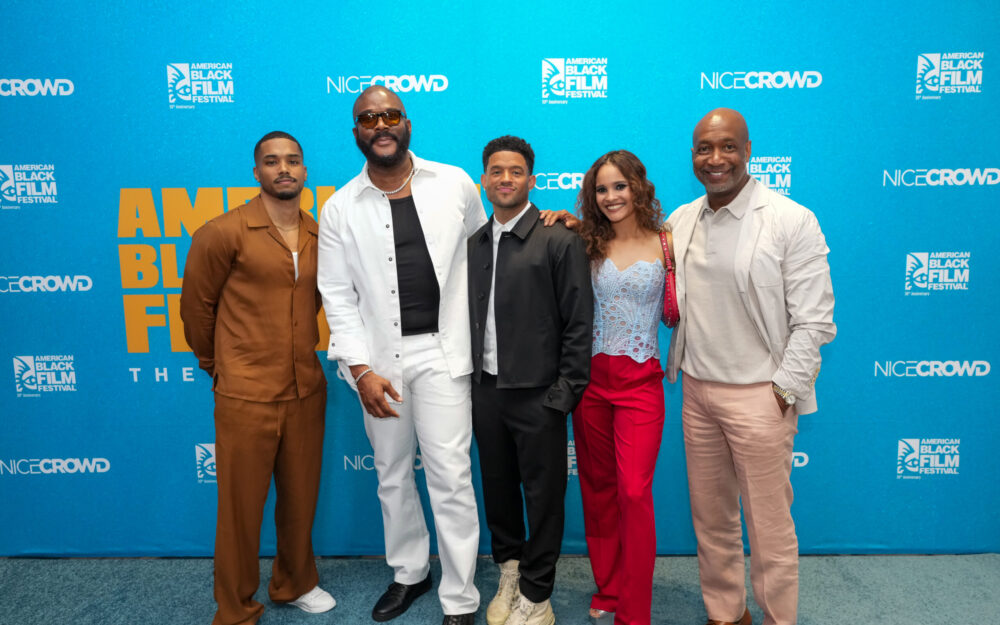
At the American Black Film Festival, these conversations started at the Industry Exchange at the Lowes, a fully sanctioned event produced by Fulton Films.
The 30th anniversary of ABFF brought a level of star power and industry presence worth showing up for. Tyler Perry Studios came in force, including Mr. Perry himself. Elected officials, entertainment executives and storytellers from all over Georgia attended. (See more imagery on our IG stories here.)
The pivot panel
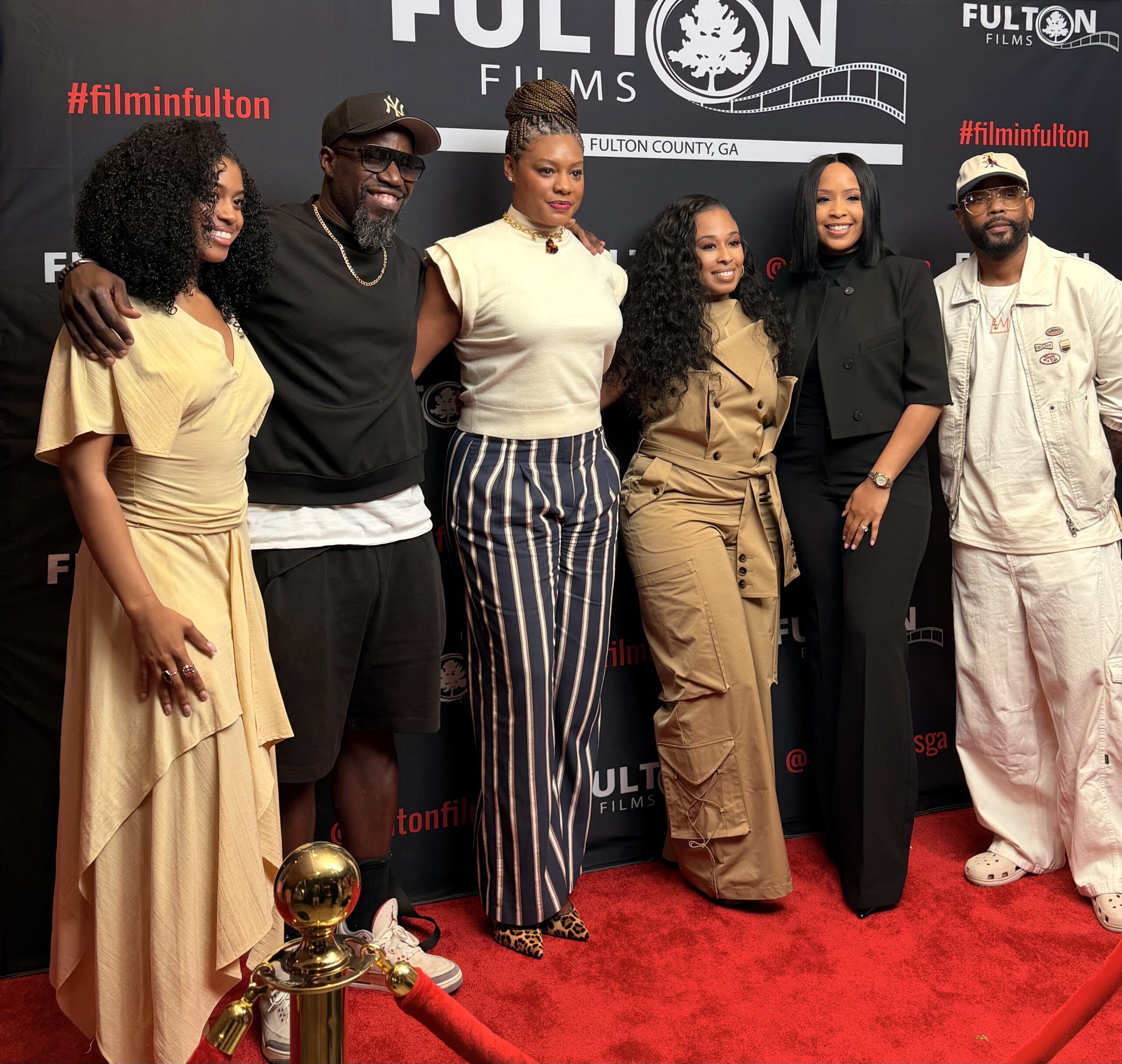
One of the festival highlights for me was the panel moderated by Rolanda Rochelle. It was an all-women conversation on pivoting with Antoinetta Stallings, Deandra Short, April Powell, and Robyne Gordon of Tyler Perry Studios. This was part of the Industry Exchange presented by Fulton Films.
Deandra Short on built-in audiences. Studios like Tyler Perry have something most independent filmmakers don’t, a distribution audience that shows up because they trust the source. Comedy, women, or drama, the audience follows. For everyone else, building that kind of audience trust is one of the most undervalued parts of the business.
Antoinetta Stallings on networking across, not up. Her message to young filmmakers and creators was to build your tribe inside your own peer group. She pointed to her decades-long ride with Deandra, going back to college, as the proof. Those are people you could never hire for, because you’ve watched them work. They become your most valuable assets.
April Powell on the work and on AI. April was direct about the demands of working through Tyler Perry Studios during COVID. Tough, but deeply rewarding. I loved her comments about people with unfinished concepts. “Finish your script.” Don’t show up with a half-baked idea or an almost-finished one. She was very pointed on AI: AI has no place in her writing. How can AI ever know the heart and soul of the stories that actually connect?
Robyne Gordon on intellectual property. Robyne made the IP conversation real. Leveraging your intellectual property is about knowing what moment you’re in and making the right call. Some creators sell and partner on ownership and build exposure. Others hold everything and have zero exposure to show for it. Doing the right thing in the right moment is the whole game. She also referenced the Tyler Perry Studios Dream Collective as one example of how studios are engaging creators on more than just filmmaking – looking at what else a project, a story, an IP could become.
Otra and the authentic lane: A conversation with Armani Ortiz and Rome Flynn
Some films are built. Otra was willed into existence. I had the fortunate opportunity to collect some thoughts from Armani and Rome. Hours after our conversation, it was announced by ABFF officials that he won the Best Director award!
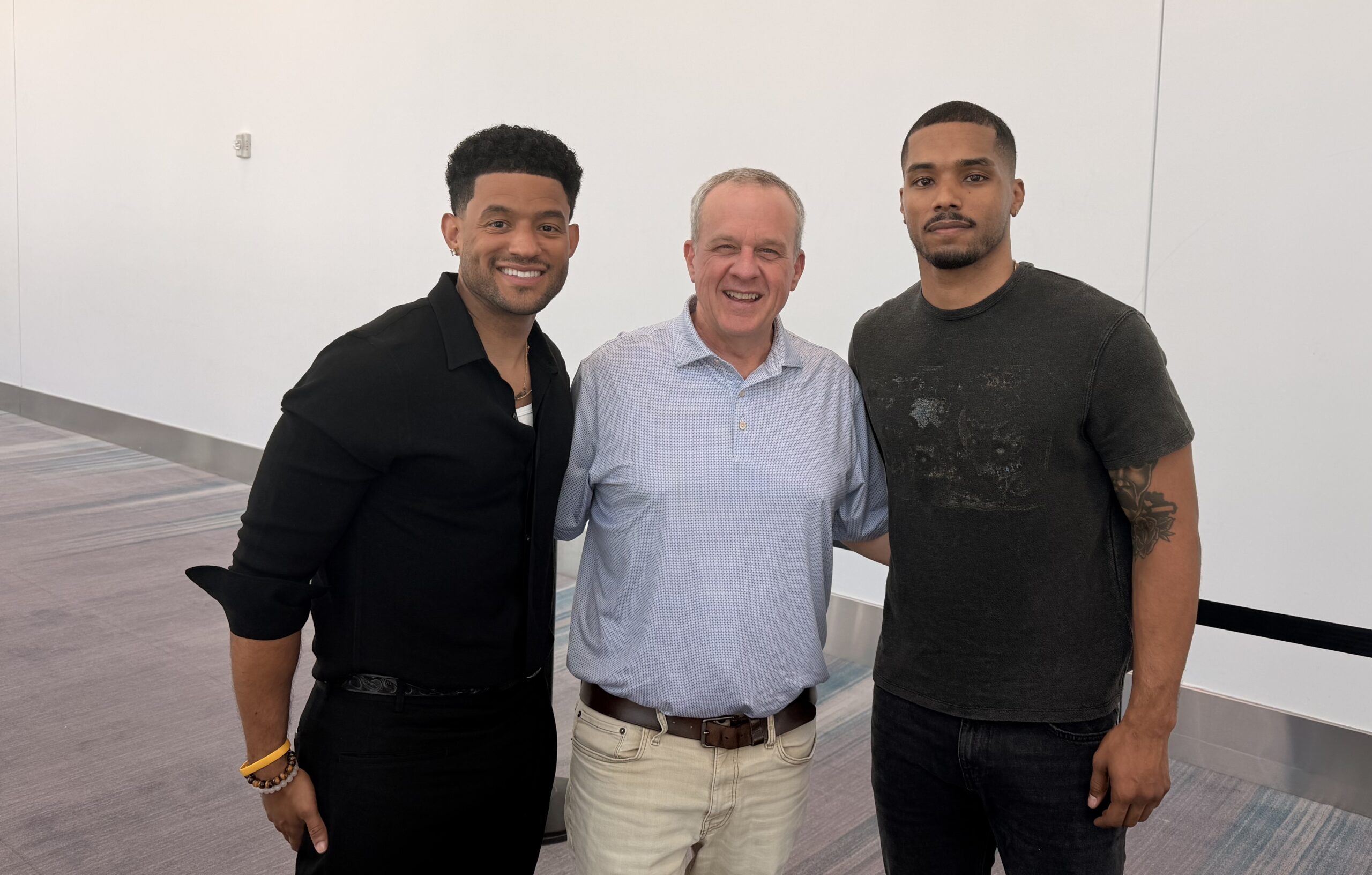
Director Armani Ortiz’s first solo narrative feature had its world premiere at ABFF. It was announced that he The film follows Javier, a man who, after a failed marriage proposal leaves him questioning love, strikes a deal with his Guardian Angel to win back the woman of his dreams before his untimely death claims him for good. Rome Flynn leads, with María Gabriela de Faría, Flor Delis Alicea, Dania Ramirez, Aria Celeste Castillo, and Ortiz himself rounding out the cast. The entire film was shot in a single continuous take, across Atlanta and Puerto Rico, in 14 days.
The five-year build
Armani started developing the concept in 2020 with choreographer Sandalio “Sandy” Alvarez, a Broadway veteran. They began with a short. It hit 30 million views on YouTube. They made a part two. It got into Tribeca. The audience response was the proof of concept.
“That kind of gave us the juice to make this a feature length project,” Armani told me. He wrote the script with Rome in mind. Rome’s attachment, in his words, was “the signal sender to everyone.” Once Rome was in, the rest of the cast followed.
This wasn’t a project that came together through packaging or development hell. It was an artist with a vision, a collaborator who believed in him, and a star who said yes which unlocked everything else.
Premiering at home
For both men, this is a first. Armani’s first feature. Rome’s first time premiering a film on the festival circuit.
“We worked on it for so long, kind of in our own bubbles, kind of like seeing it closed,” Armani said about the premiere screening. “When we saw it with a group of people, it was just a miracle.” Tyler Perry came to the premiere. The cast had done a private viewing in LA three weeks prior, but, as Rome put it, “hearing it with the crowd and seeing what they laugh at, seeing what they like, it’s always a little bit different.”
Rome called the experience creatively and spiritually rewarding. “Sometimes you have the opportunity where you have both those things happen.”
The IP question, answered honestly
We talked about how filmmakers aren’t just making films anymore. They’re building intellectual property with optionality. A story can become an immersive experience, a fashion show, a musical, a game. Tyler Perry is the gold standard because he owns his audience and doesn’t need traditional distribution.
Are you watching the analytics? Tracking the audience? Building the database?
“I always come from a place of, like, how can I serve this story? How can I make this the best thing possible? I don’t want to ever make a piece of art because I know that I can get it sold. I want it to be, hey, this is something that I put my heart and soul into. And eventually it will find the audience that it’s supposed to have.”
Rome agreed, and added the business reality on top of it: “The success of any project, any kind of art, lies in where the home is for it. So especially a movie like this, it’s going to be important what happens next, so that everyone has a fair opportunity to watch it.”
That’s the optionality conversation done right. Build the work. Trust it to find its lane. Then fight like hell for the right home. The monetization follows.
What’s next
Armani is already writing. “It’s about doing the next project with intention and doing something that pushes the art visually in a way where it’s still challenging. I’m working on something that, hopefully, in two years I’ll send the script over to Rome and we’ll be ready to do something even more incredible.”
Rome’s response was immediate. “This man is a generational talent. I hope and pray that we continue to do projects for the rest of our careers.”
These two are building something. A body of work.
Together, they’re modeling what the next lane of independent storytelling looks like: cultural specificity, technical ambition, an authentic audience strategy, and a long horizon.
See you next year ABFF! See all the stories from our Instagram account here.