
One out of five calls to law enforcement in the United States today involves a mental health crisis, according to reports from the American Psychological Association.
Atlanta and the state of Georgia know that 20% all too well, with Atlanta Police Department data from 2025 and early 2026 indicating an average of 27 to 28 such calls each day, averaged from a 285-day study of all incoming calls.
Fortunately, in 2026, mental health issues that once lurked undisclosed, secrets that families and friends kept close to the vest, have surfaced as open topics of discussion with resources ready to address them.
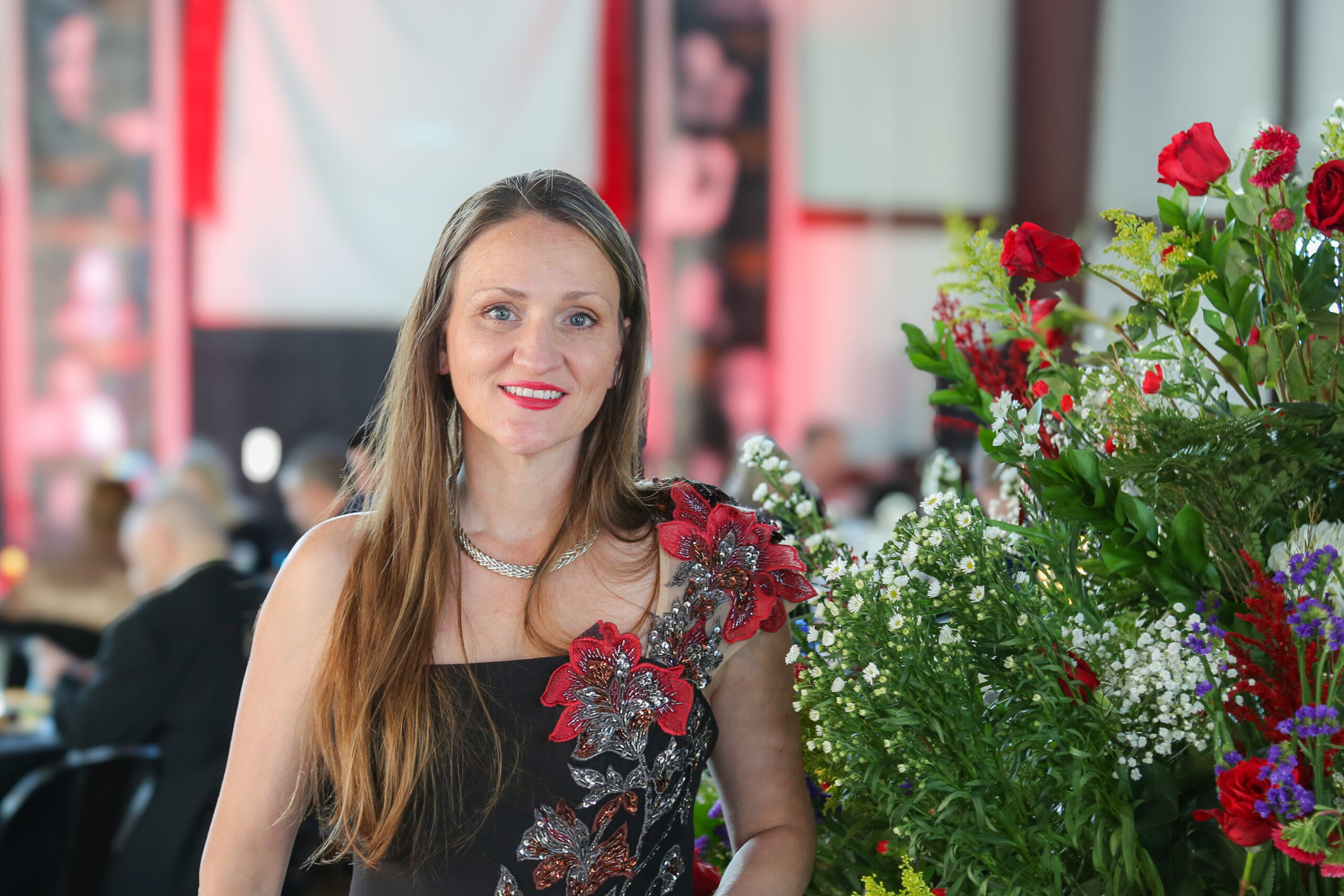
Metro Atlanta-area resident Tara Nichols made sure that one of those resources was primed for action by founding the Nichols Center in 2013. And that everyone from police, first responders, educators, legislators, heads of corporations and other community leaders were in on the action and support.
Today, she is the founder and CEO of Nichols Center Inc., as well as a licensed professional counselor (LPC) and a certified professional counseling supervisor (CPCS).
Into the light
When she married into the Nichols family in Douglas County, Georgia, she witnessed the need firsthand for the organization she founded. Her husband’s brother had died of a drug overdose prior to her joining the family, and the pain of that tragedy had not lifted from the family’s matriarch some 10 years later.
This is where Nichol’s mission to provide a stigma-free place for recovery from substance use disorders, as well as mental health support and crisis counseling, was born.
By 2025, according to nicholscenter.org, the Nichols Center’s team and its work had touched seven counties across the state of Georgia, reached more than 15,000 families, and graced 200+ community engagement events.
Mental health gets a gala
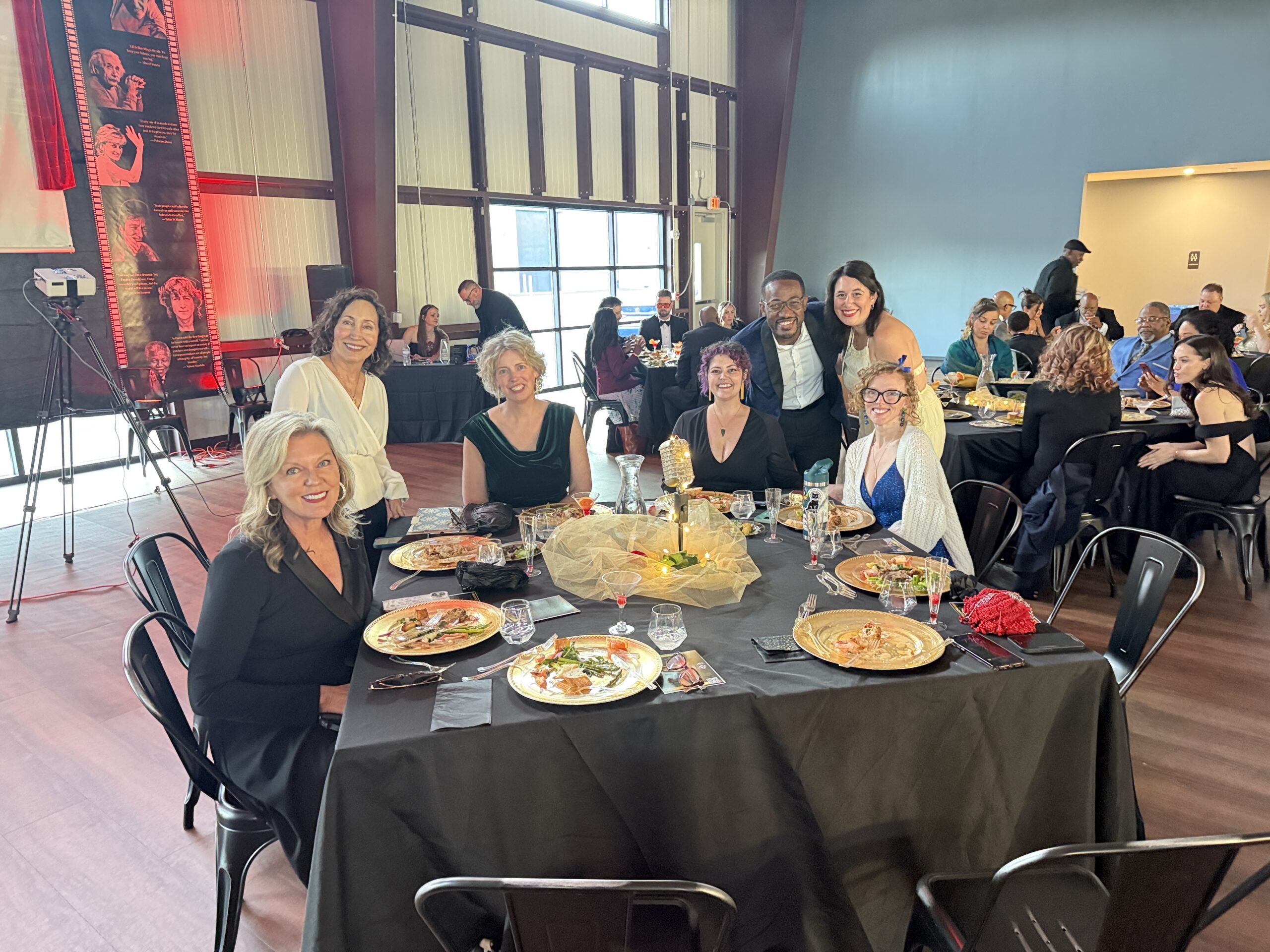
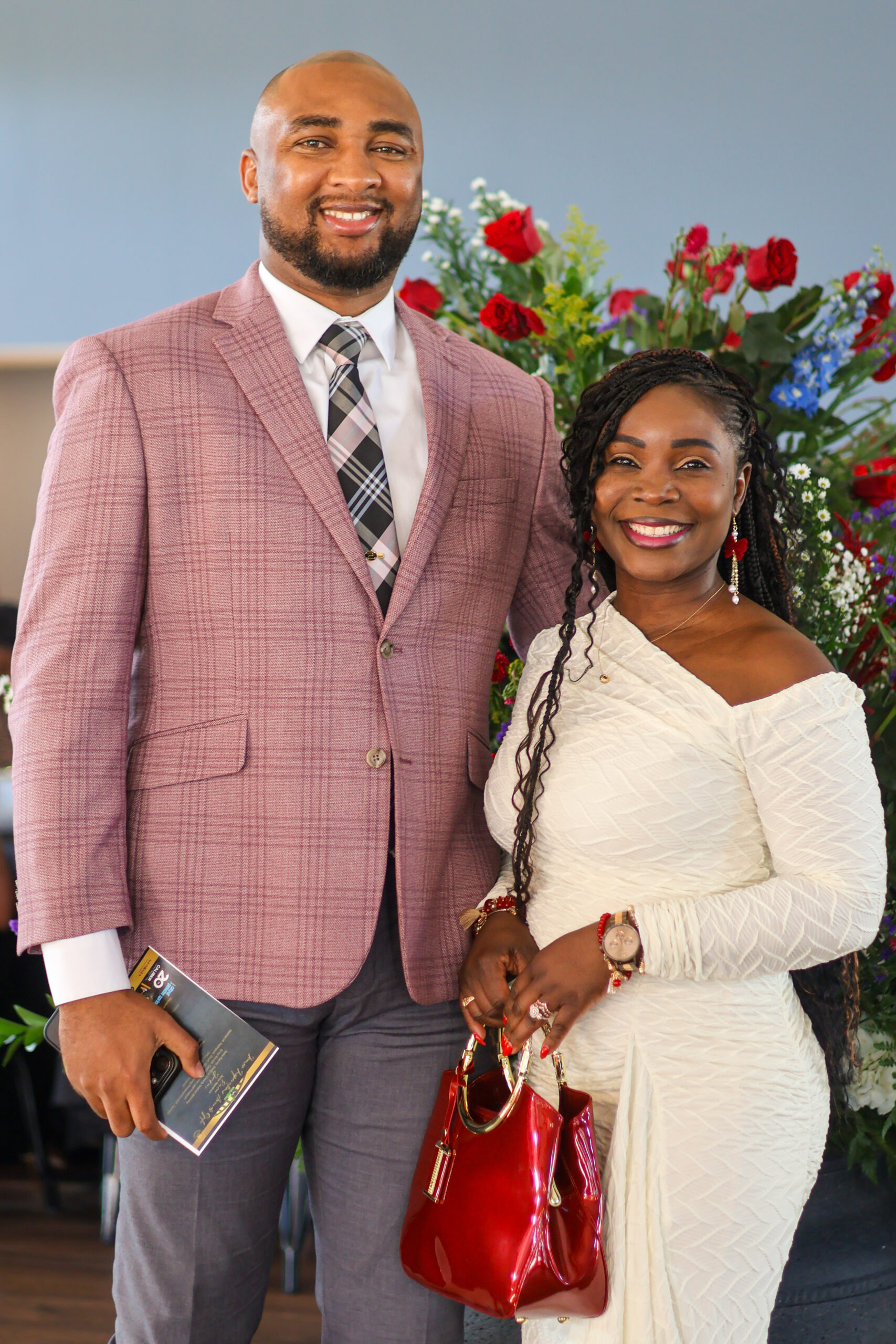
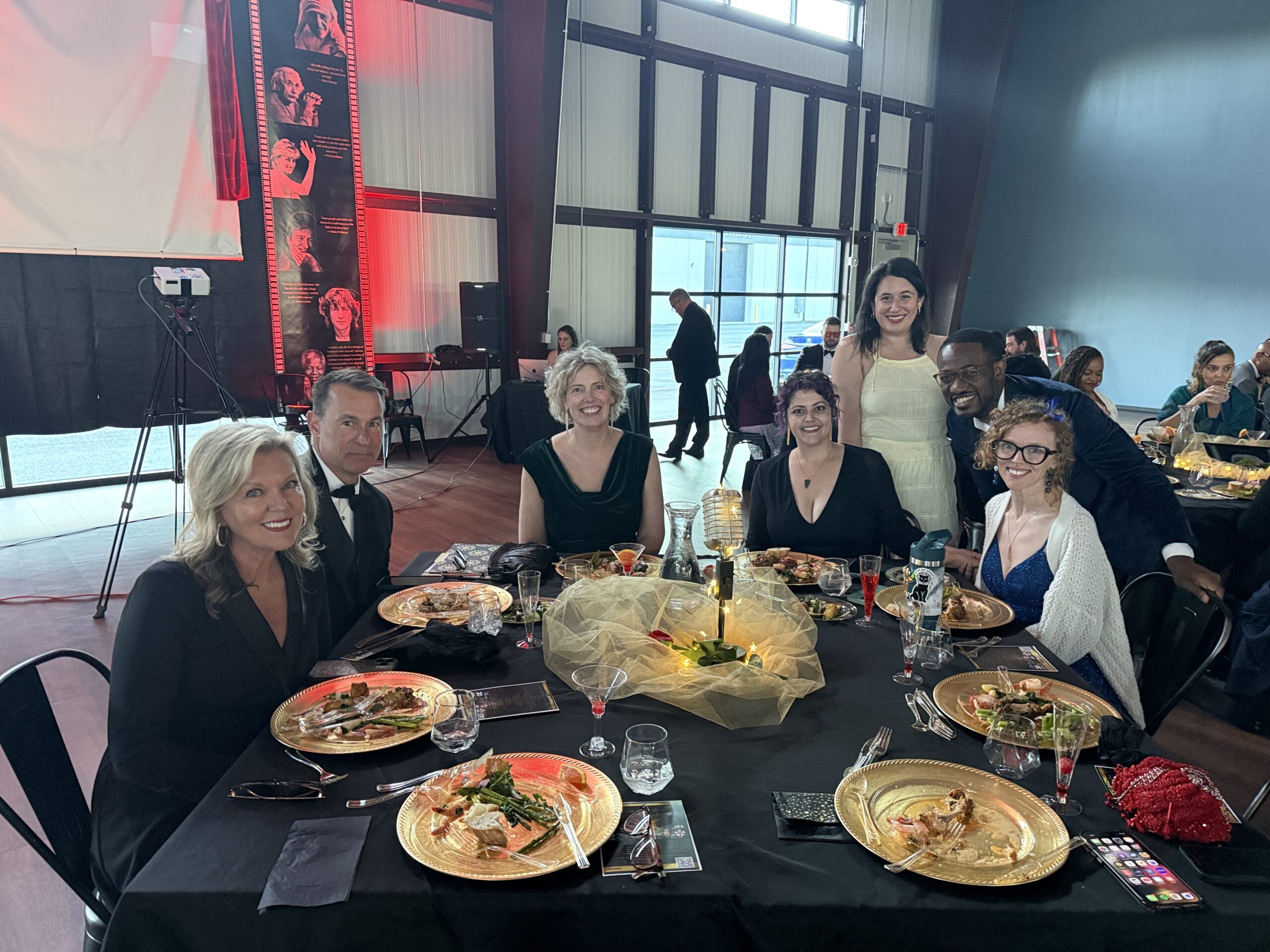
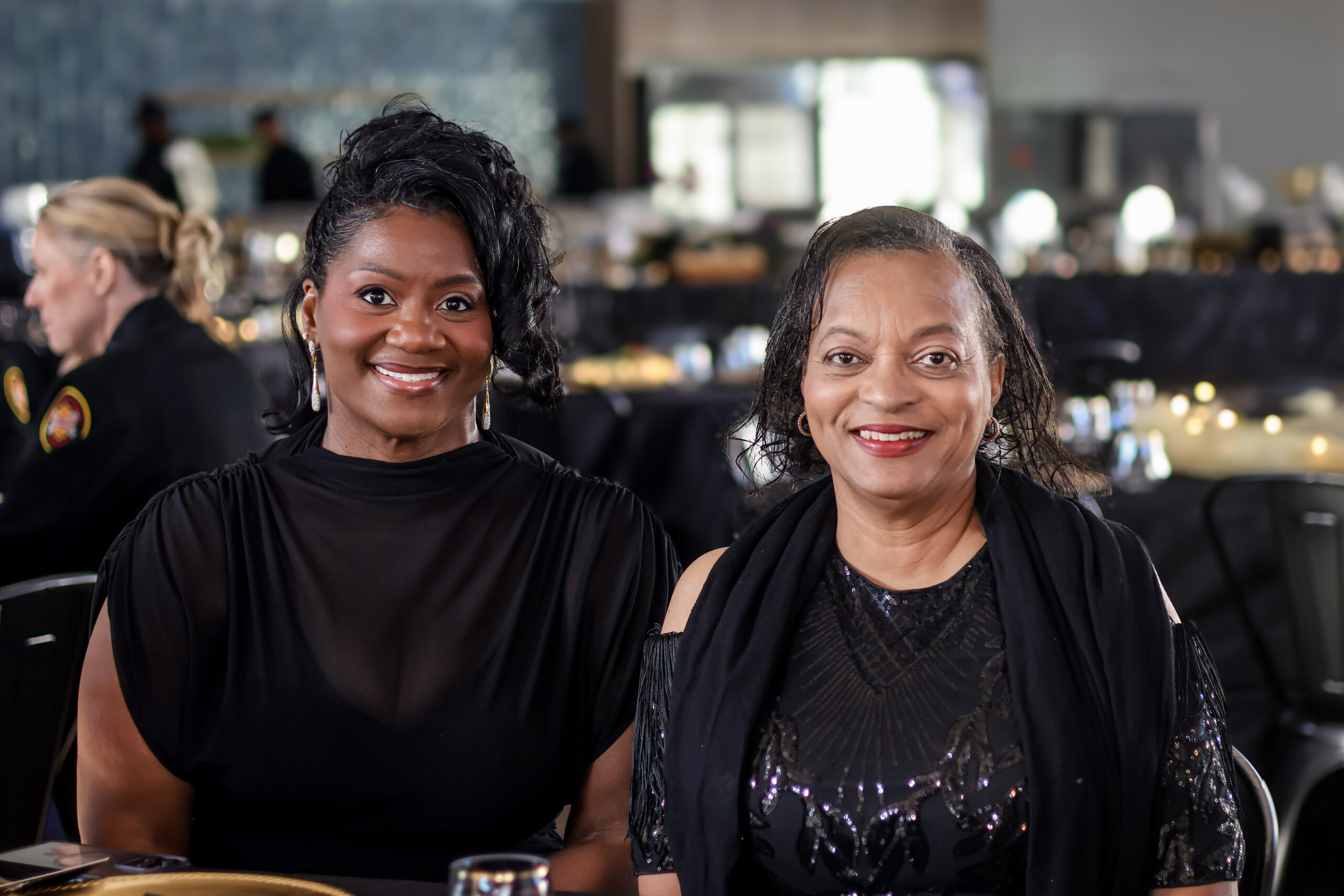
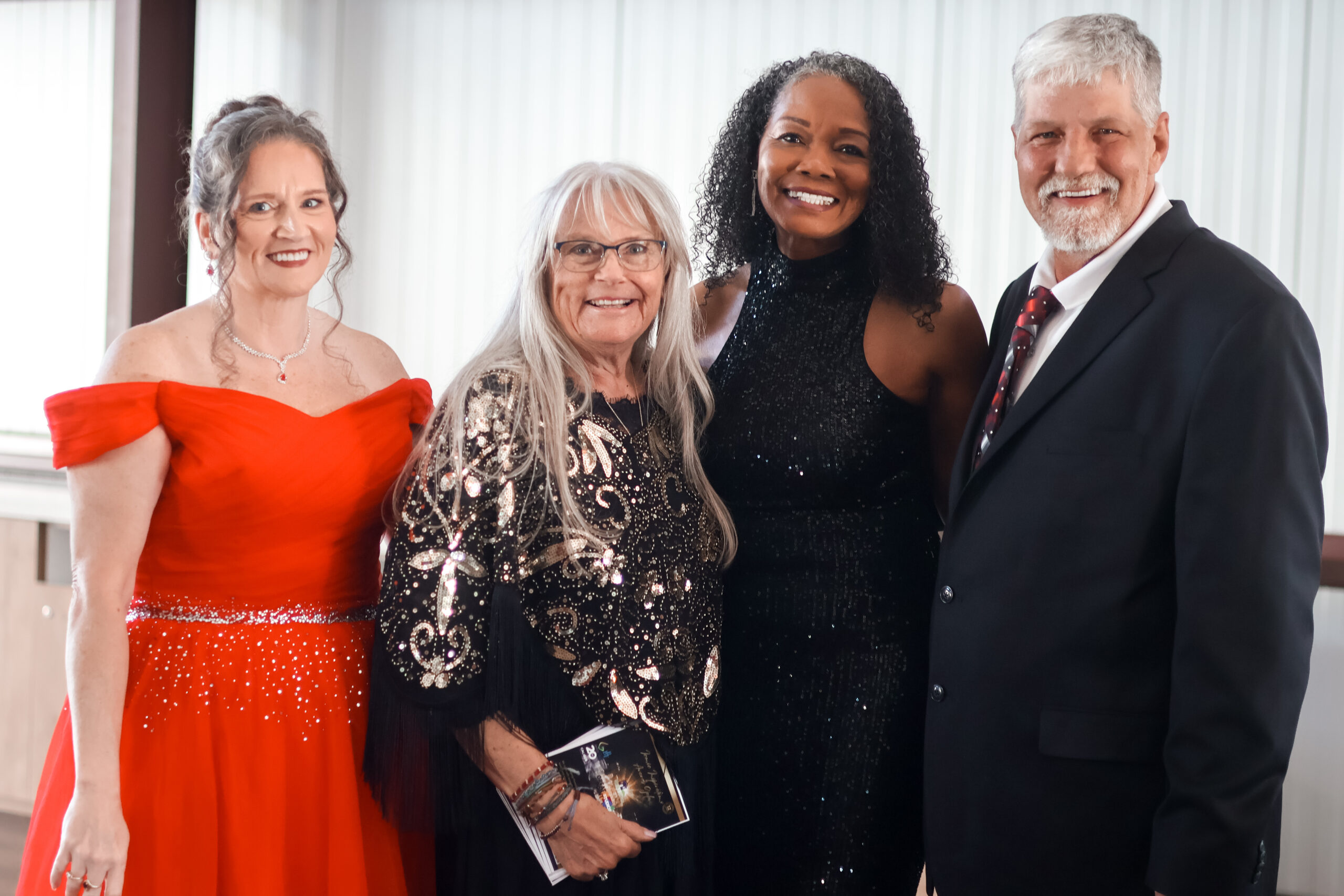
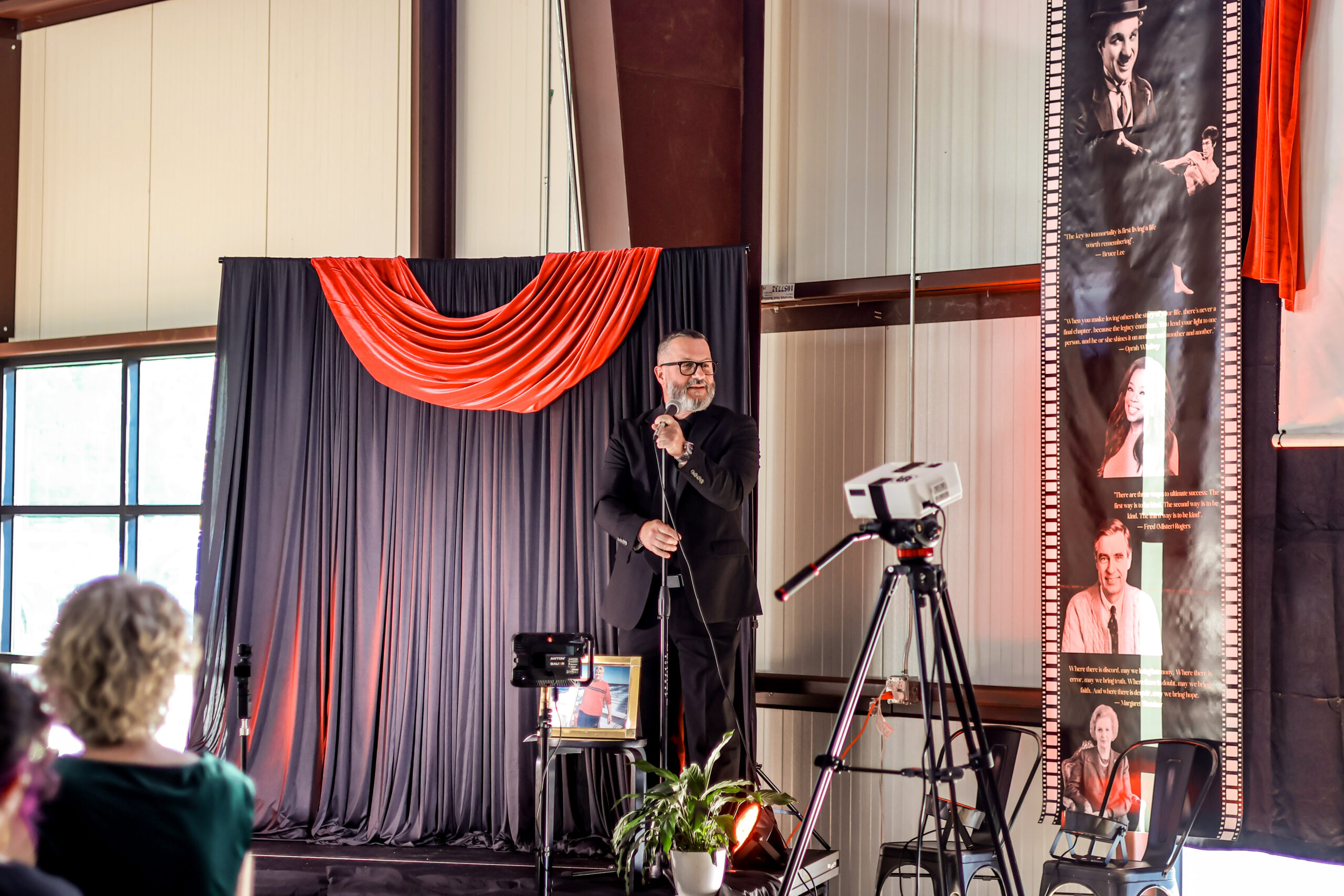
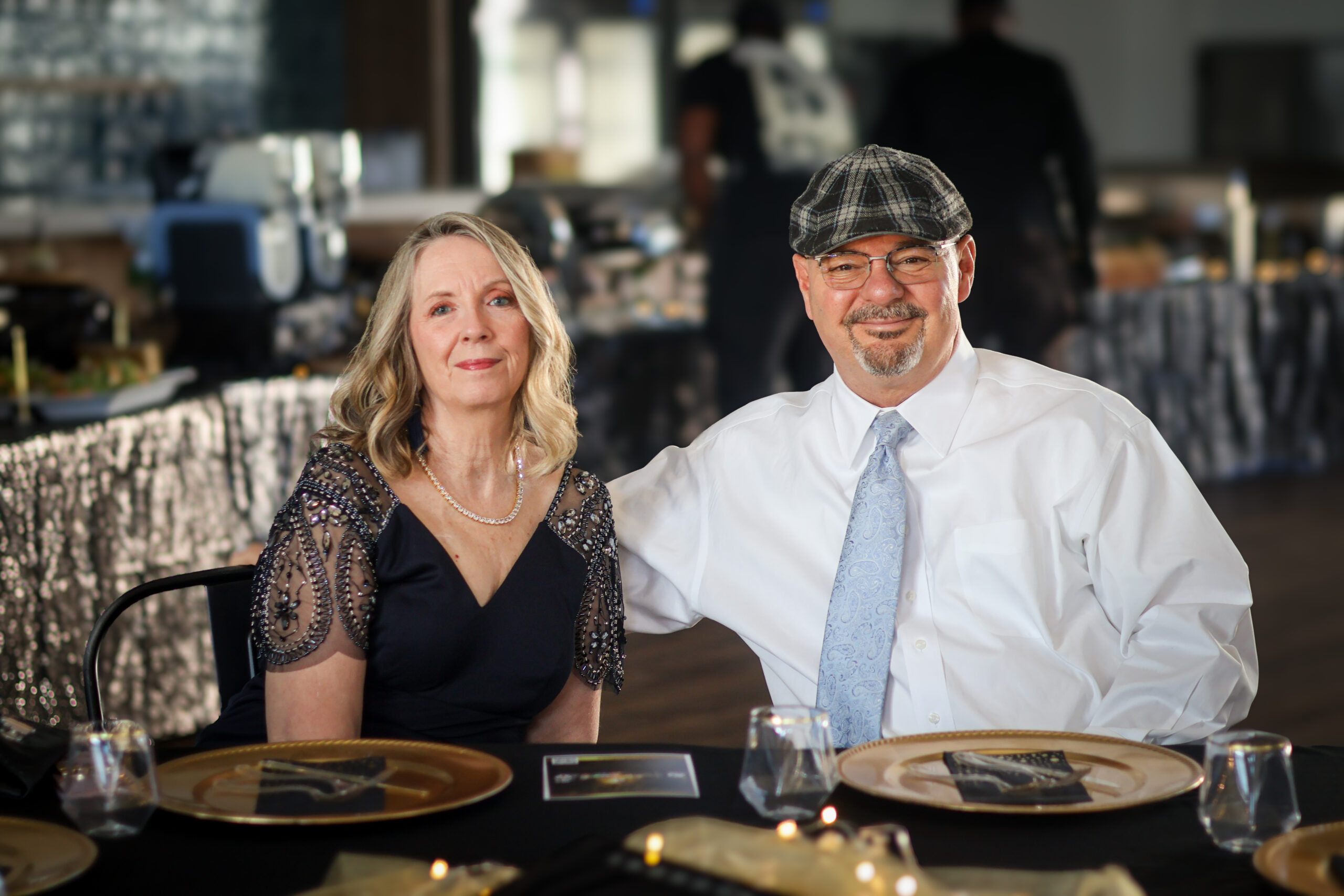
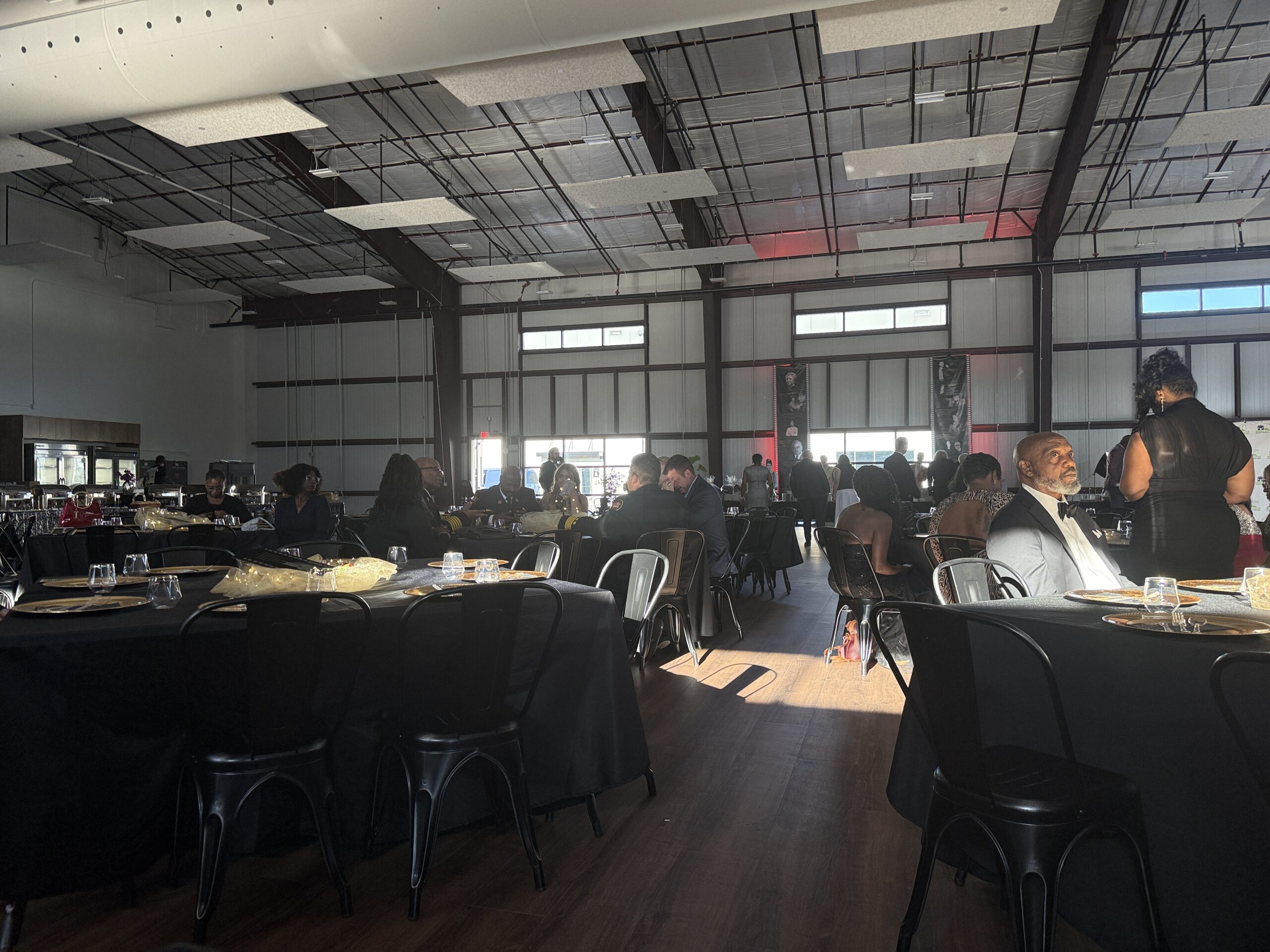
In 2026, the Nichols Center’s May gala at Great Point Studios included the team, plus a full slate of supporters, and it put a spotlight on mental health services and support for workers in Georgia’s thriving film and television industry, fortified by training coordinator Kevin Amik at IATSE 479.
Adding special significance to the gala, May is National Mental Health Awareness Month.
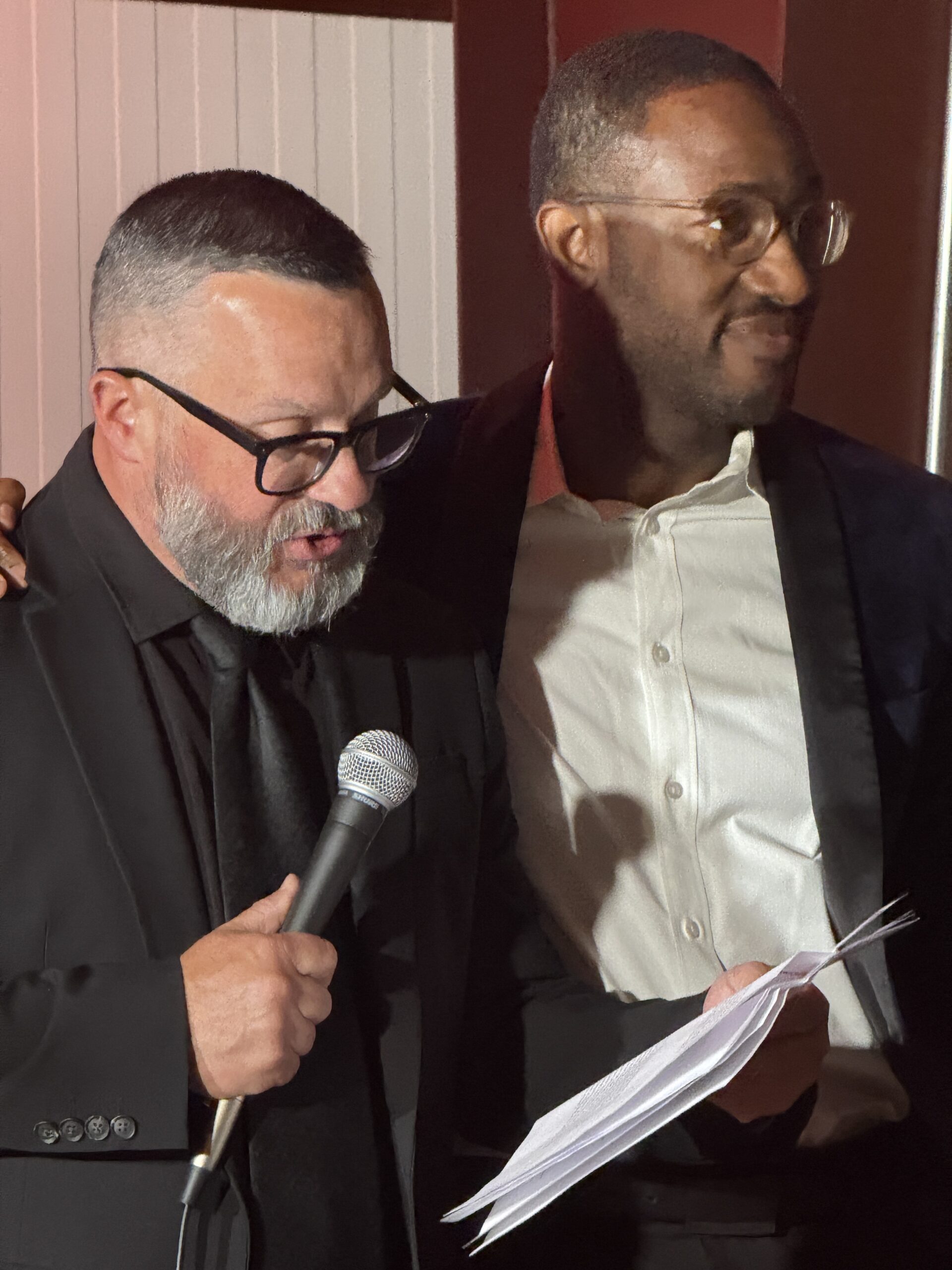
Also of significance, the event was emceed by Nichols Center Board Chairman Jesse Hambrick, a former law enforcement officer and president and consultant at Douglas County’s J Walton Consulting.
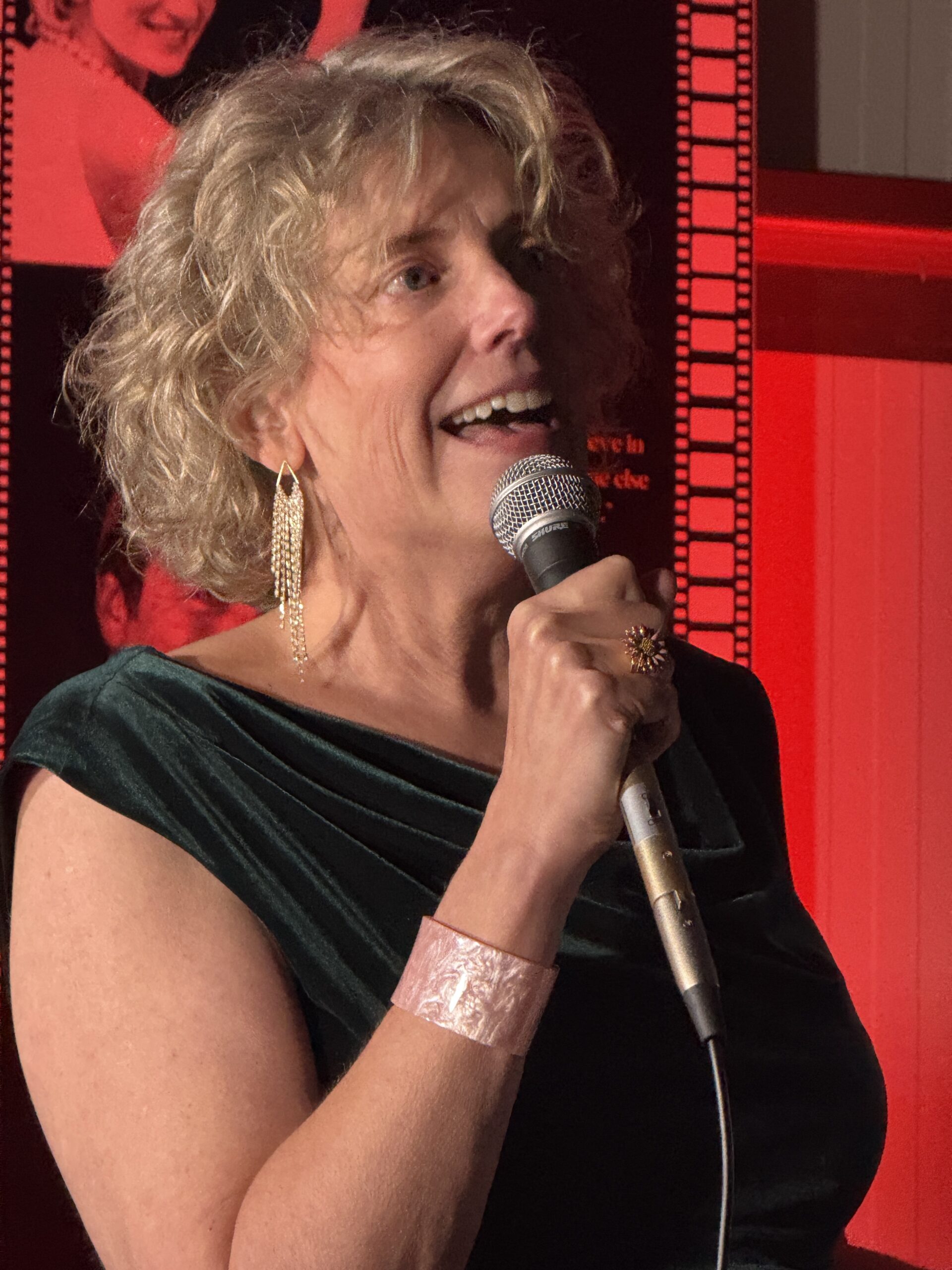
Tara opened the black-tie gala and chef-curated dinner by telling supporters, colleagues and guests, “We’re incredibly grateful you’ve chosen to spend tonight with us, and we honor those in our community that are really leaning into and impacting lives.”
Some of the honorees included county commissioners and elected officials, prompted by Nichols to stand for the crowd to acknowledge.
Others included local law enforcement officials, a human trafficking attorney and film industry players in Georgia and on the West Coast who work in Georgia, including casting directors, intimacy coordinators, producers, festival leaders and others.
In bringing Georgia’s film and television industry artists into the fold of its outreach and services, the gala honored a number of allied and active creative community members, including on-set intimacy coordinator and mental health coordinator, director and producer Kristina Arjona.
When Arjona took the stage to receive the Torch Award for shining a light on mental health in the film and television industry, presented to her by Rick Estimond, president of Atlanta-based Formation Talent Agency, she said, “You can hear statistics all day. But when you see real stories and you hear from real people about what they are doing in their communities, that’s when it hits home.”
Arjona continued, “As an actor on a show when I was starting out, I had an experience on set that dealt with different types of violence … a lot of shows have subject matter around murder, true crime, sexual violence … and as someone who’s a personal survivor of that, being on set and having it not handled well became its own traumatic experience for me. And [so I asked]how can we adjust, how can we do this better, how can we be preventative?”
She summed up saying, “So many people get their mental health knowledge from media, how can we be as creative and thoughtful consumers of what we’re putting out into the world? So I started working in safety on set before it was popular, offering it free in a lot of places. And then #MeToo happened, and the education became more of an interest in our industry, and I was able to start my career.”
Recognition for the public service community at large included:
- Healing the Community Award – presented to Douglas County Commissioner Mark Alcarez for outstanding service to increase public safety initiatives and community mental health programs.
- Growing Mental Health Award – presented to Assistant District Attorney Ebony Phillips for her work to expand trauma-responsive programs and advance therapeutic jurisprudence initiatives.
- Hero Award – presented to the executive director of the Trinity Center, Rasheeka Austin, for championing families facing trauma and for working to expand access to recovery and mental health services.
A solid future for the Nichols Center
The gala evening included a silent auction that served to raise money for a physical “forever” home for the Nichols Center and its community services.
Sponsors of the gala evening included Great Point Studios, Georgia Entertainment, Amazon, IATSE 479, City of Powder Springs, Association of Mental Health Coordinators, Caliber1 Construction, Actor Empowerment Summit, Douglas County Emergency 911, GMHCN, Brothers Brunch Foundation, and Loving Hands Ministry.
Learn more about the Nichols Center here and its May awards gala and fundraiser here.
Reach Tara Nichols at nicholscenter.recovery@gmail.com
Photos by Carol Badaracco Padgett and courtesy of the Nichols Center